0
0
Your shopping cart is empty.
Total: ${ $store.state.basket.data.itemSum | currency } (Gross) ${ $store.state.basket.data.itemSumNet | currency } (Net)
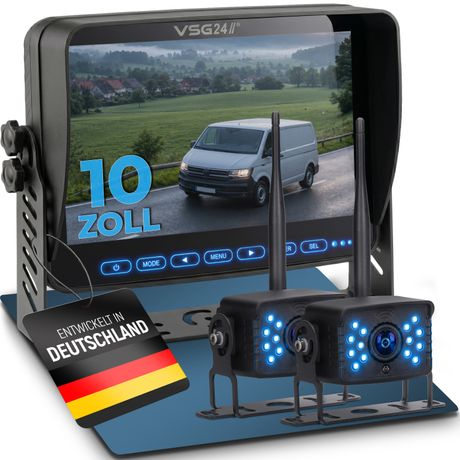 WIRELESS ELEMENT WIRED HD XL | 2CAM Wireless solution for safe manoeuvring





 WIRELESS ELEMENT WIRED HD XL | 4CAM Expert technology for demanding users
 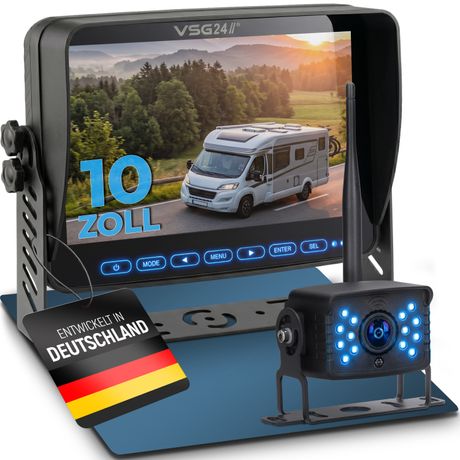 WIRELESS ELEMENT WIRED HD XL Elegant glass display with professional wireless technology

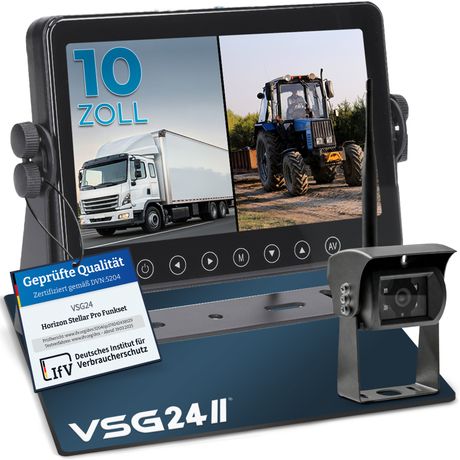 WIRELESS HORIZON STELLAR PRO XL | 1CAM High-end wireless system for the highest demands



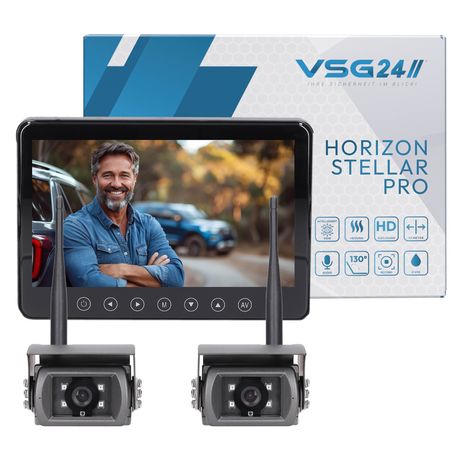 WIRELESS HORIZON STELLAR PRO XL | 2CAM Powerful wireless reversing system for experts
 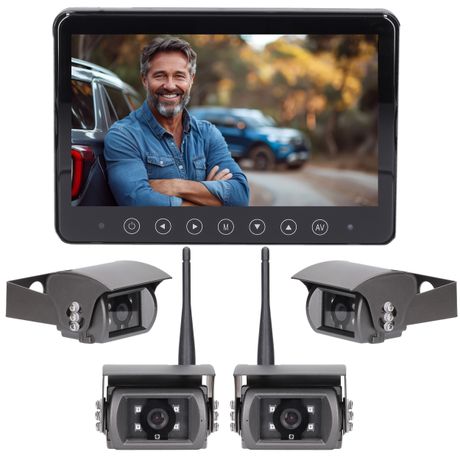 WIRELESS HORIZON STELLAR PRO XL | 4CAM Professional-grade wireless reversing camera
 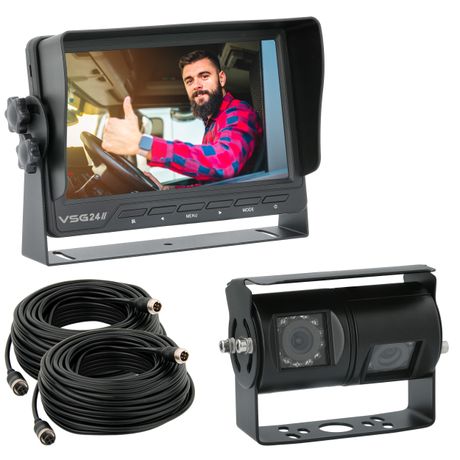 CABLE ADVANCED Multi-perspective view for near and long range


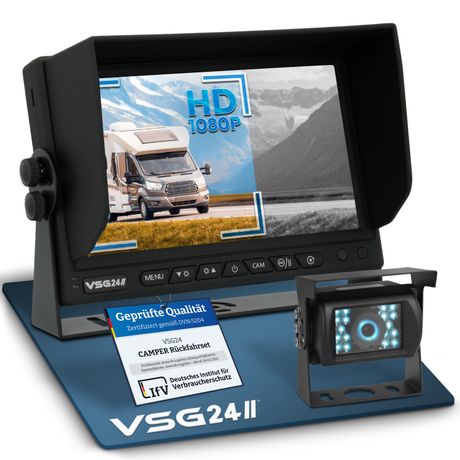 CABLE CAMPER HD The retrofit solution for motorhomes in HD



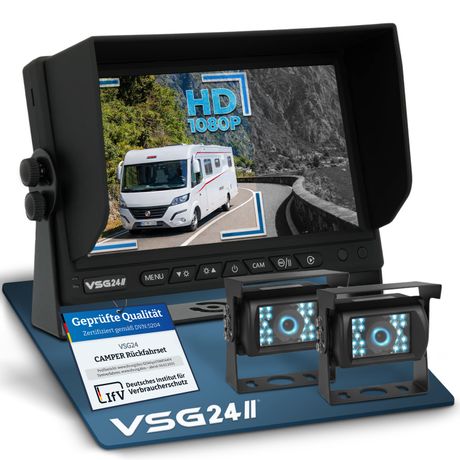 CABLE CAMPER | HD 2CAM Enhanced visibility for camper and caravan
  CABLE CAMPER HD The safe solution for your motorhome
  CABLE CAMPER HD | 2CAM Better visibility for worry-free journeys
 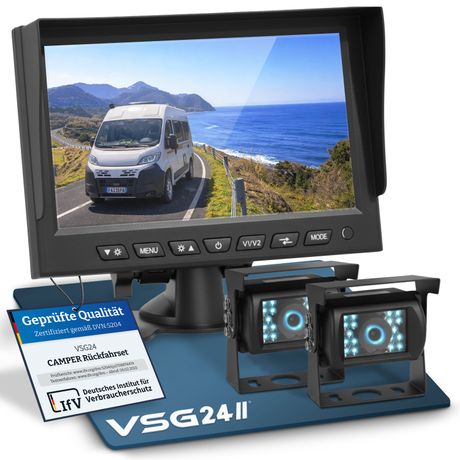 CABLE CAMPER | 2CAM Smart camera system for campers

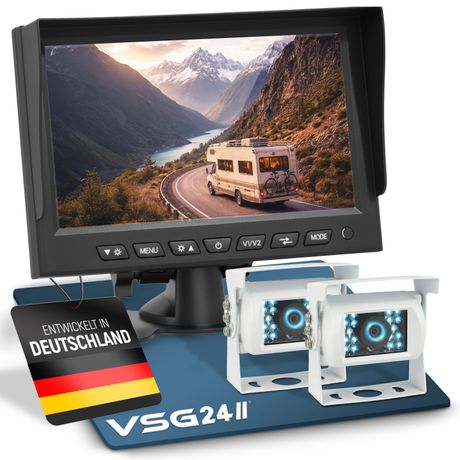 CABLE CAMPER | 2CAM Smart technology for campers
  WIRELESS ELEMENT HD | 2CAM Digital wireless technology for safe parking


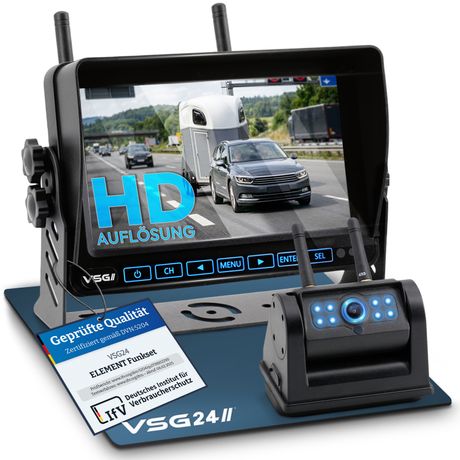 WIRELESS ELEMENT HD Intelligent technology with modular flexibility
 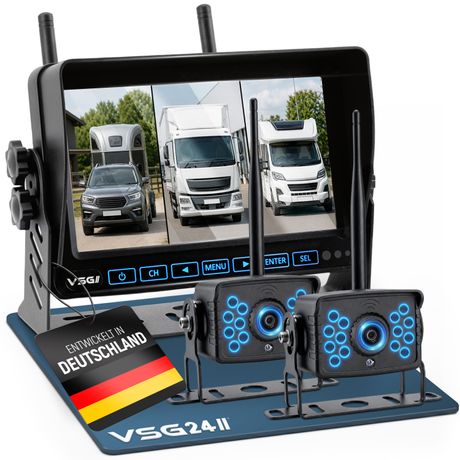 WIRELESS ELEMENT WIRED HD | 2CAM Cable-free installation – reliable performance
 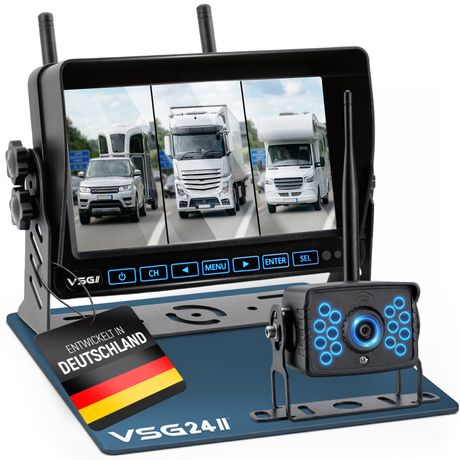 WIRELESS ELEMENT WIRED HD Modern wireless technology with maximum ease of use
  WIRELESS ELEMENT WIRED PRO HD | 2CAM Reliable transmission even for large vehicles
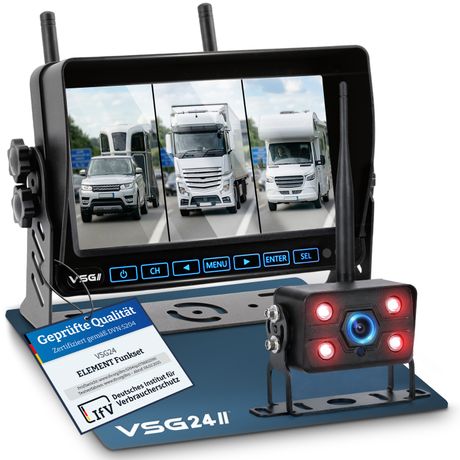 WIRELESS ELEMENT WIRED PRO HD Greater range – flexible antenna – perfect overview
 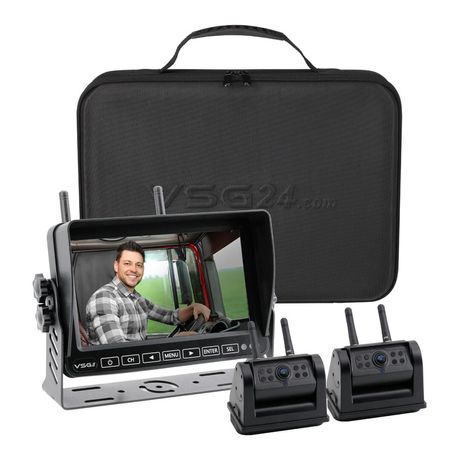 WIRELESS ELEMENT HD | 2CAM Wireless freedom – park with confidence
  CABLE VISION Industrial-grade aluminium housing


 WIRELESS HORIZON STELLAR PRO | 2CAM Innovation for first-class everyday precision
  WIRELESS HORIZON STELLAR PRO | 4CAM High-end solution for reversing professionals
  WIRELESS HORIZON STELLAR PRO Intelligent technology – maximum performance
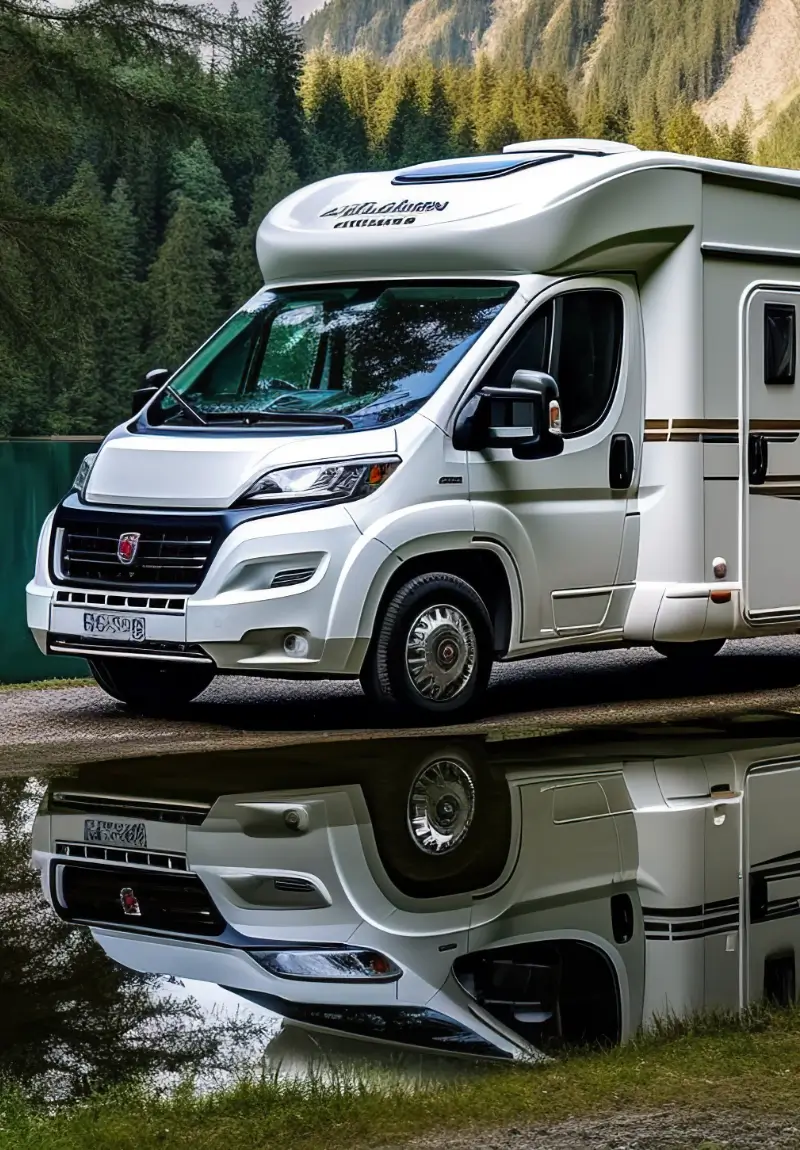
 A reversing camera for motorhomes is a retrofit solution tailored specifically for motorhomes, campers, overcab models and campervans such as the Fiat Ducato, providing safe rear-area monitoring.
Motorhome reversing cameras are among the safety-relevant driver assistance systems in modern leisure vehicles. They improve rear visibility, reduce manoeuvring damage and increase control with vehicle lengths over 6 metres.
Whether a 1-camera system, multi-camera solution or 360° surround view – what matters is that the system matches vehicle size, use and installation situation.
Typical situations include:
One manoeuvring error on a high-value motorhome can quickly cause damage costing several thousand euros – especially body, GRP or exterior panel repairs.
A reversing camera for campers provides safety through visibility. It shows obstacles in real time on a 7, 9 or 10 inch monitor – in AHD 1080P resolution for a clear picture day and night.
A damaged bike rack, a dented rear wall or paint damage to the body means:
A professional reversing system often pays for itself by preventing just one incident.
More safety means:
Common searches include:
Key selection criteria:
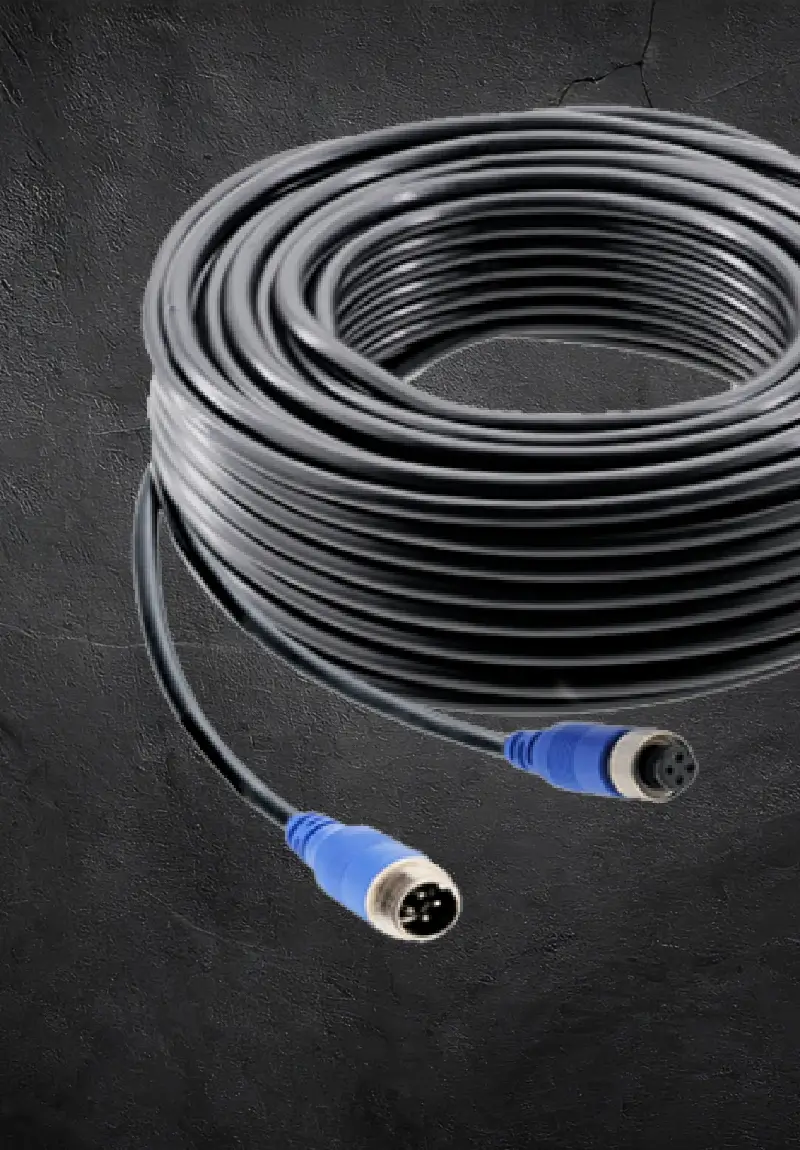
On particularly long vehicles, a wired solution can ensure maximum signal stability. An overview can be found under wired reversing systems.
| System type | Suitable for | Benefit |
|---|---|---|
| 1-camera HD system | standard motorhomes | clear rear overview |
| 2-camera system | longer overcab models / large campers | additional side monitoring |
| 4-camera / 360° | premium motorhomes | full surround visibility |
For many Ducato-based motorhomes, a high-quality AHD HD camera with a wide viewing angle is sufficient. For larger vehicles or higher safety requirements, a multi-camera system is the better option.
Wireless reversing camera
Wired reversing system
The key decision is not “wireless or wired”, but selecting the right match for your specific vehicle.
Is a reversing camera compatible with my Fiat Ducato motorhome?
Yes. Systems are designed for 12V electrical systems and can be mounted flexibly.
Is one camera enough, or do I need 360°?
For most motorhomes, a high-quality HD camera is sufficient. 360° systems make sense for very large vehicles.
Is wireless stable on 7–8 metres?
With our high-quality systems, yes – alternatively, a wired system is recommended.
Is retrofitting complicated?
Many systems are designed for straightforward installation. Advice is available if needed.
You are in the right place if:
Not suitable if:
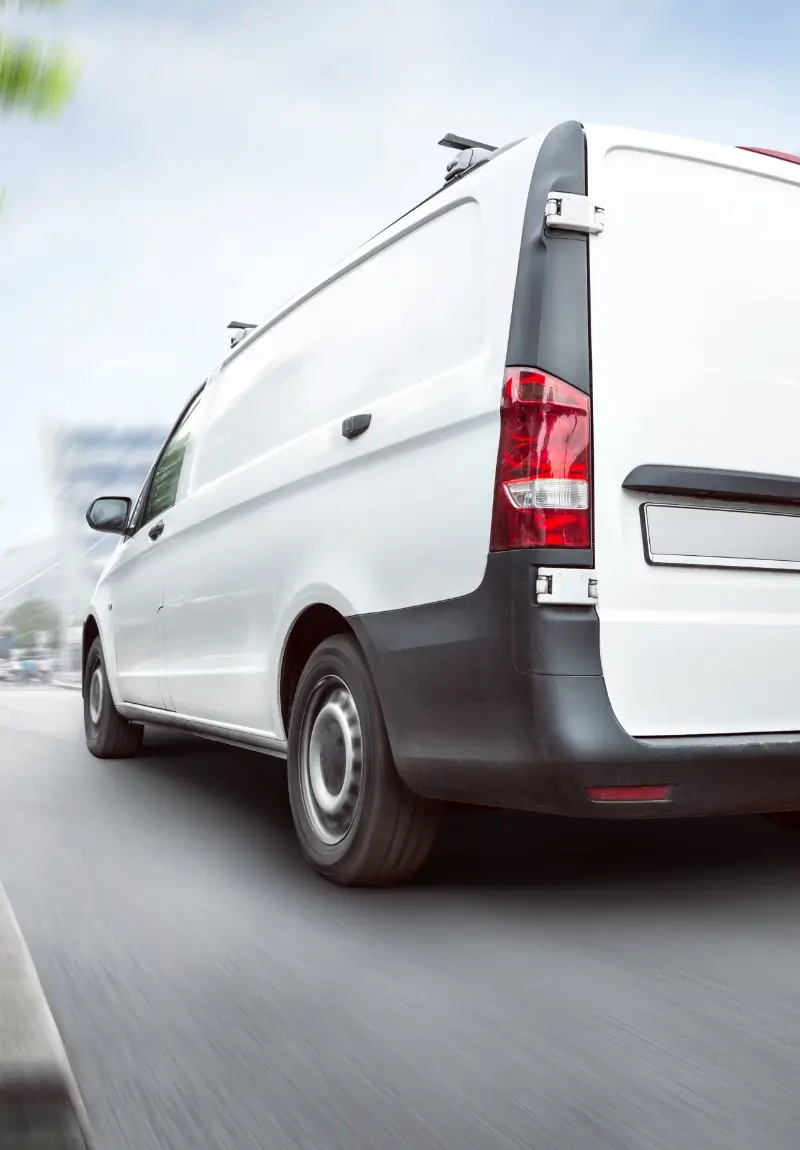
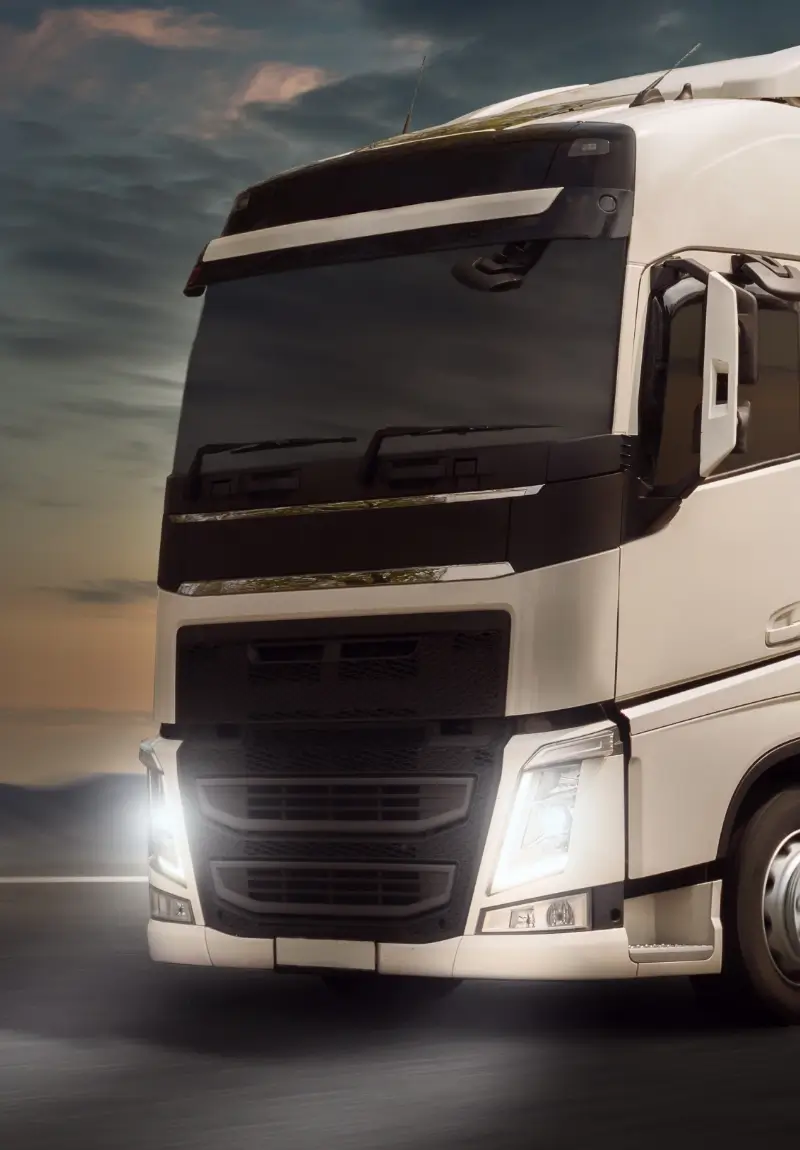
In these cases, we recommend the categories reversing systems for vans, reversing systems for trucks or reversing systems for agriculture.
What is a reversing camera for motorhomes?
A retrofit system for safe rear-area monitoring on motorhomes with a 12V electrical system.
Why is it worthwhile?
Because larger vehicles have restricted rear visibility and manoeuvring damage can be costly.
What should you look for?
Vehicle length, monitor size, signal stability and expandability.
What technology is standard?
AHD 1080P HD image, robust construction, optional multi-camera or 360° systems.
A reversing camera for motorhomes creates control instead of uncertainty. It protects your vehicle and accessories and makes manoeuvring more relaxed – on every campsite.
The full overview of all systems can be found in the main category Rear View Systems.
For an individual recommendation, the contact and advice page can help.
Discover tested reversing systems for motorhomes – for safer journeys from the start.
Motorhomes are long, tall and often completely obstructed to the rear. A traditional rear-view mirror is not sufficient to reliably detect blind spots, low obstacles or people. Reversing systems are therefore among the most important safety and comfort solutions for motorhome drivers.
When manoeuvring on campsites, in narrow old town streets or on pitches, reversing cameras provide calm and control. Instead of stress and relying on a guide, a well-matched system allows independent and safe manoeuvring – even in darkness or rain. For many drivers, a reversing system quickly becomes an essential travel companion.
Typical challenges include tight pitches, narrow access roads, bollards, walls or playing children. Reversing systems make these hazards visible before damage or dangerous situations occur.
They are especially useful for clearly showing the area directly behind the vehicle that no mirror can cover. Side cameras further increase safety when turning or manoeuvring. The result: less stress, fewer incidents and a noticeably more relaxed driving experience – particularly for newcomers to motorhome travel.
Yes, side cameras are a genuine safety advantage. Due to the width of many motorhomes, large blind spots arise along the sides – especially when turning or entering tight areas.
Side cameras display these areas precisely and help detect kerbs, obstacles or people at an early stage. Combined with a reversing camera, they create a near-surround view that makes manoeuvring significantly easier. Many motorhome owners deliberately choose a multi-camera system to feel secure on every journey.
Yes. Many reversing systems for motorhomes are designed for continuous operation and can function as a digital rear-view mirror while driving. This is particularly helpful if bike racks, bicycles or body structures block the rear view.
A permanently active monitor provides a clear, distortion-free image and increases safety on motorways and in urban traffic. It is important that both camera and monitor are technically suitable for this purpose – which is taken into account when selecting VSG24 systems.
Distance guidelines on the monitor show how far obstacles are from the vehicle and significantly improve distance judgement. With long vehicles, the sense of the rear overhang is often uncertain.
The guidelines provide orientation and reduce misjudgements – especially when reversing in confined spaces. Many systems even allow the lines to be adjusted to match the specific vehicle, making manoeuvring more precise and relaxed.
Reversing systems can be activated in different ways. The most common method is automatic activation via the reversing light when reverse gear is engaged.
Additional trigger options via indicators or switches are also possible – for example to activate side cameras when turning. This intelligent control increases safety while driving and ensures the correct camera view is displayed at the right time.
Yes, high-quality reversing cameras for motorhomes are designed for outdoor use. They feature corrosion-resistant housings and high protection ratings against water and dirt.
As motorhomes are often parked outdoors for extended periods and exposed to changing weather conditions, durability is essential. VSG24 focuses on robust, long-lasting cameras that operate reliably for years – whether in summer heat or on winter trips.
Yes. For particularly safety-conscious motorhome drivers, systems with camera-based pedestrian detection are available. This technology can recognise people in the danger zone and provide additional warnings.
Especially on campsites, where children or other campers may be nearby, this offers an added layer of safety. It is important that the system is properly configured so that warnings are meaningful and not distracting.
Discover our DETECT VISION reversing camera.
Both options can be suitable. Wireless reversing systems are especially popular for retrofits, as they simplify installation and avoid long cable runs. Modern 2.4 GHz wireless technology works very reliably in most motorhomes.
Wired systems provide maximum stability and are particularly suitable for continuous operation and multi-camera solutions. Many motorhome owners choose hybrid solutions where wired monitors support both wired and wireless cameras – offering maximum flexibility.
Motorhomes vary greatly in length, body type and usage. A system suitable for a campervan is not automatically ideal for a large overcab motorhome. Without proper advice, systems are often chosen that do not perform optimally in practice.
VSG24 provides targeted guidance on vehicle type, usage, camera positioning and expansion options. The result is a reversing system that genuinely makes travel easier – rather than one that only looks good on paper.