0
0
Your shopping cart is empty.
Total: ${ $store.state.basket.data.itemSum | currency } (Gross) ${ $store.state.basket.data.itemSumNet | currency } (Net)
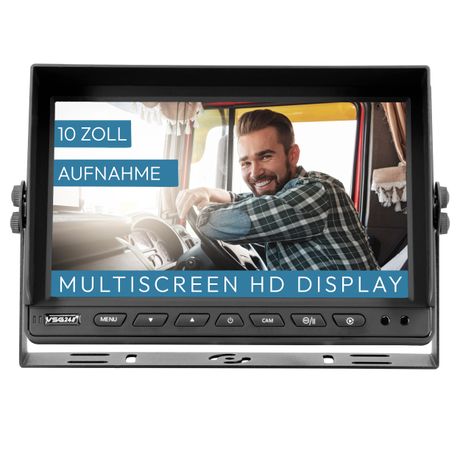 CABLE MULTISCREEN 8CAM The ultimate solution for fleets and professionals





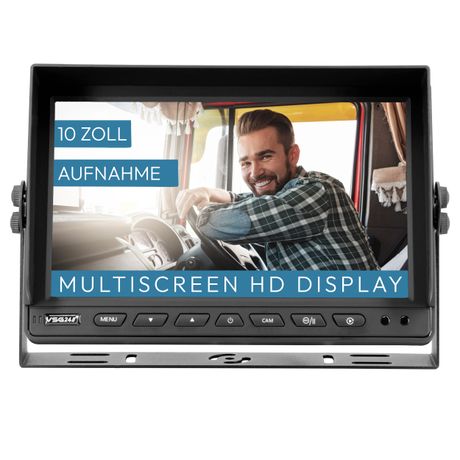 CABLE MULTISCREEN XL HD Professional system with full control at a glance

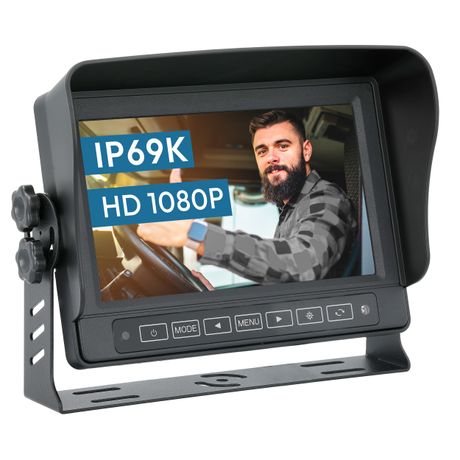 CABLE PROGUARD HD XL Built tough for the harshest environments

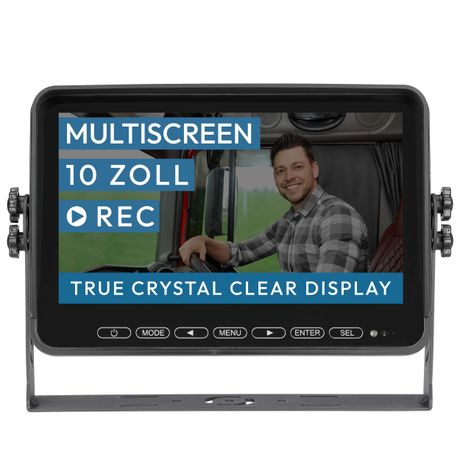 CABLE QUADVISION PRO Sleek full-glass design for professionals
 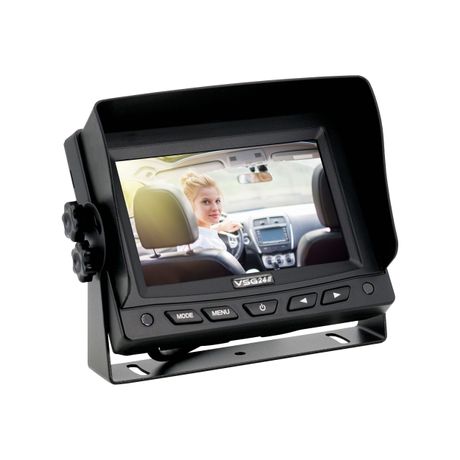 CABLE EASY FIVE Flexible installation – ready to use in no time


 CABLE INFINITY PRO Professional safety for your vehicle
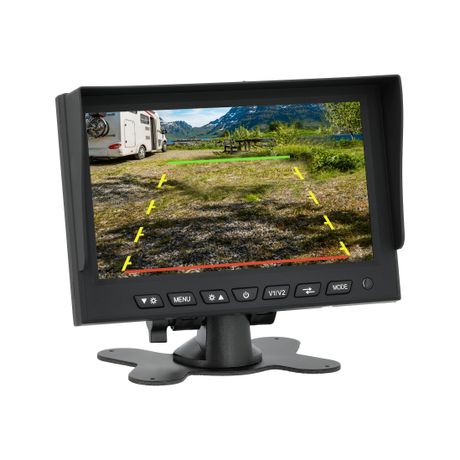 CABLE Traveller Reliable companion for everyday driving
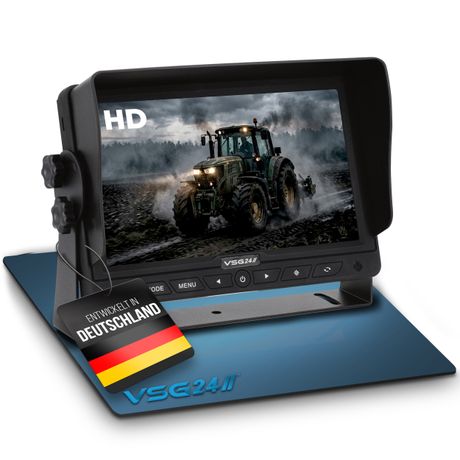
 CABLE Excellent HD Professional comfort with intuitive touch control
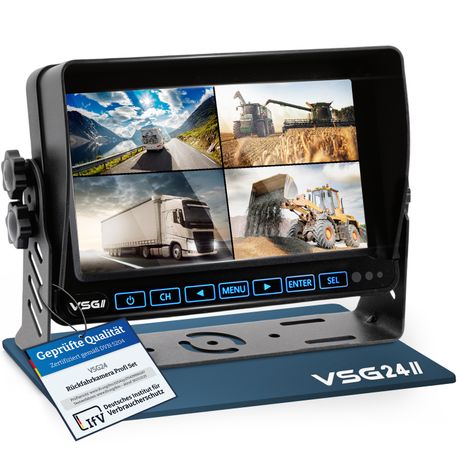
  CABLE MULTISCREEN HD Maximum visibility with support for up to 4 cameras
 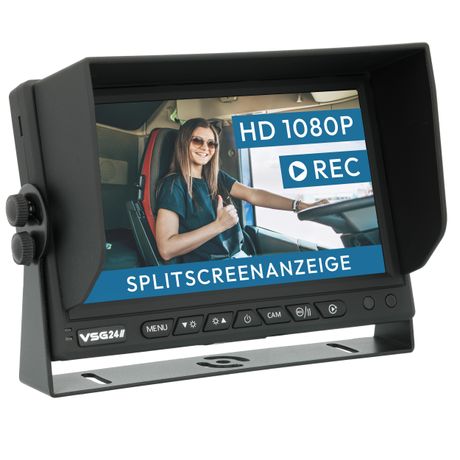 CABLE PROFESSIONAL HD Keep two cameras in view at the same time
 CABLE PROGUARD HD Drive with confidence – weatherproof and reliable
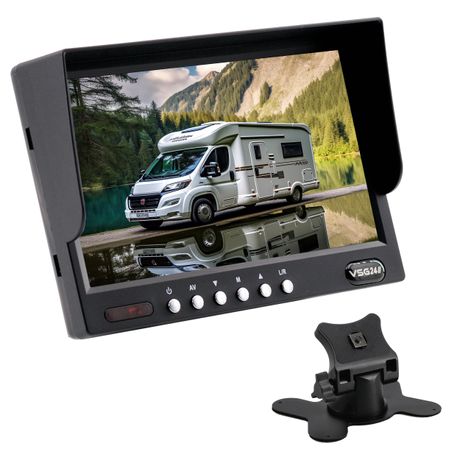 CABLE INCLUDE Seamless integration into your dashboard
 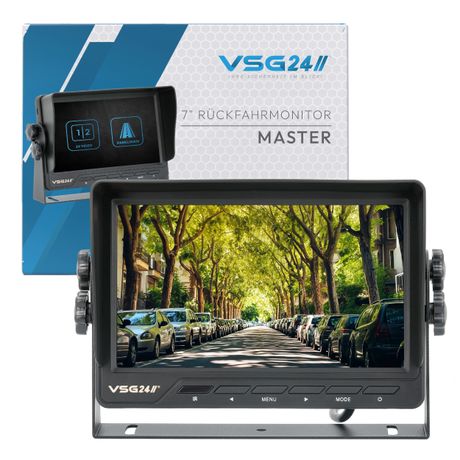 CABLE MASTER Compact solution for a clear rear view
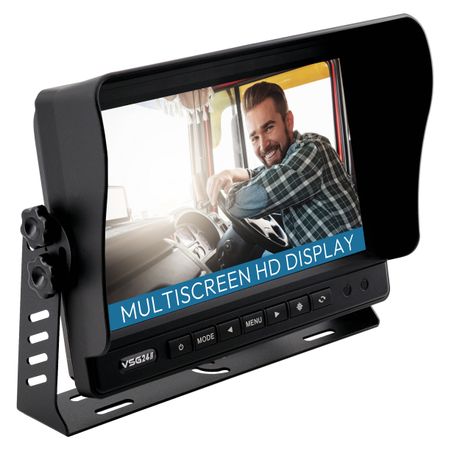 CABLE MULTISCREEN XL HD Optimised control for larger vehicles

A reversing monitor is the central display unit of a reversing camera system.
It shows the camera image in HD resolution and plays a key role in how precisely and safely a vehicle can be manoeuvred.
This category includes standalone monitors for reversing camera systems – ideal for:
➡ Overview: view all reversing camera kits
➡ Find matching cameras here: individual reversing cameras
Reversing cameras are among the safety-relevant driver assistance systems in modern vehicles.
But even the best camera is of little use if the image is displayed on an inadequate monitor.
A high-quality reversing monitor provides:
Especially for large vehicles or multi-camera systems, the monitor is the central control instrument.
An outdated or dim display can:
One avoidable incident can quickly cost several hundred or even thousands of euros.
A modern HD reversing monitor significantly reduces this risk.
In commercial use, the rule is simple:
A single avoided damage event often fully amortises the investment.
A replacement or upgrade monitor is the right choice if:
If the camera and wiring still work, a targeted replacement is more cost-effective than a complete system.
| Monitor size | Ideal for | Benefit |
|---|---|---|
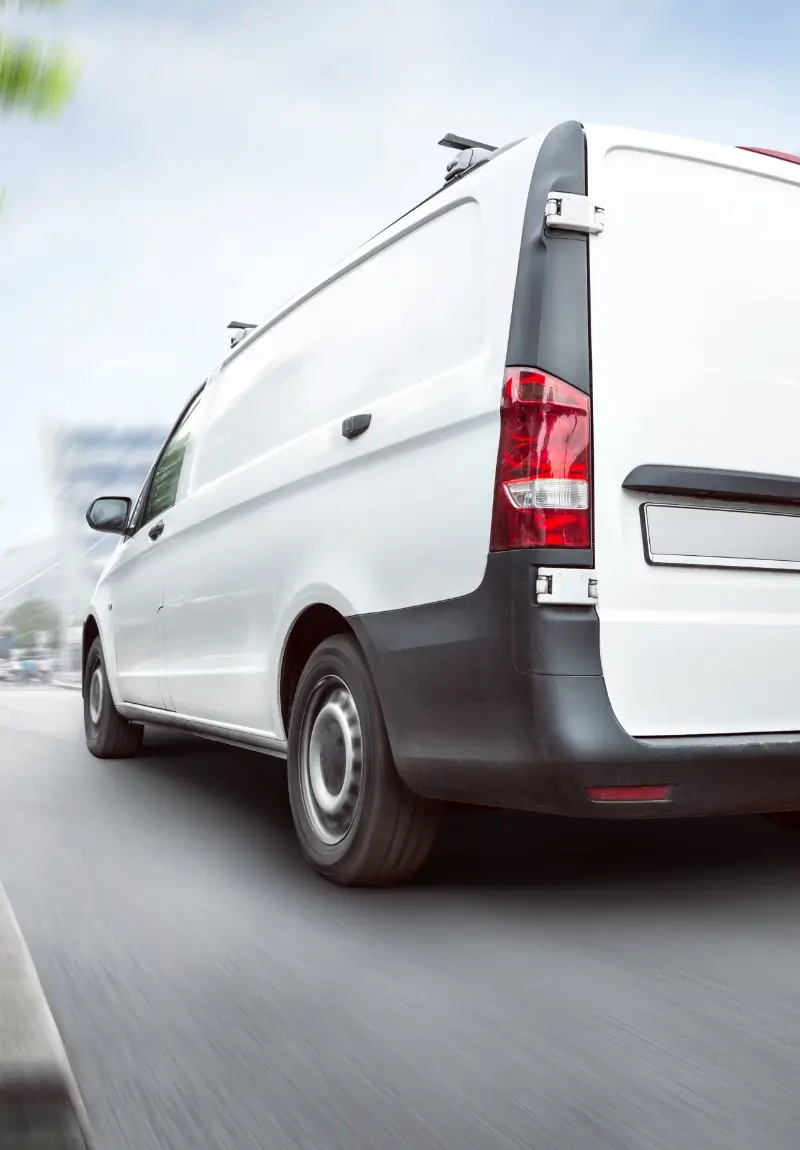
| 7 inch | Cars, compact vans | space-saving, clear and tidy |
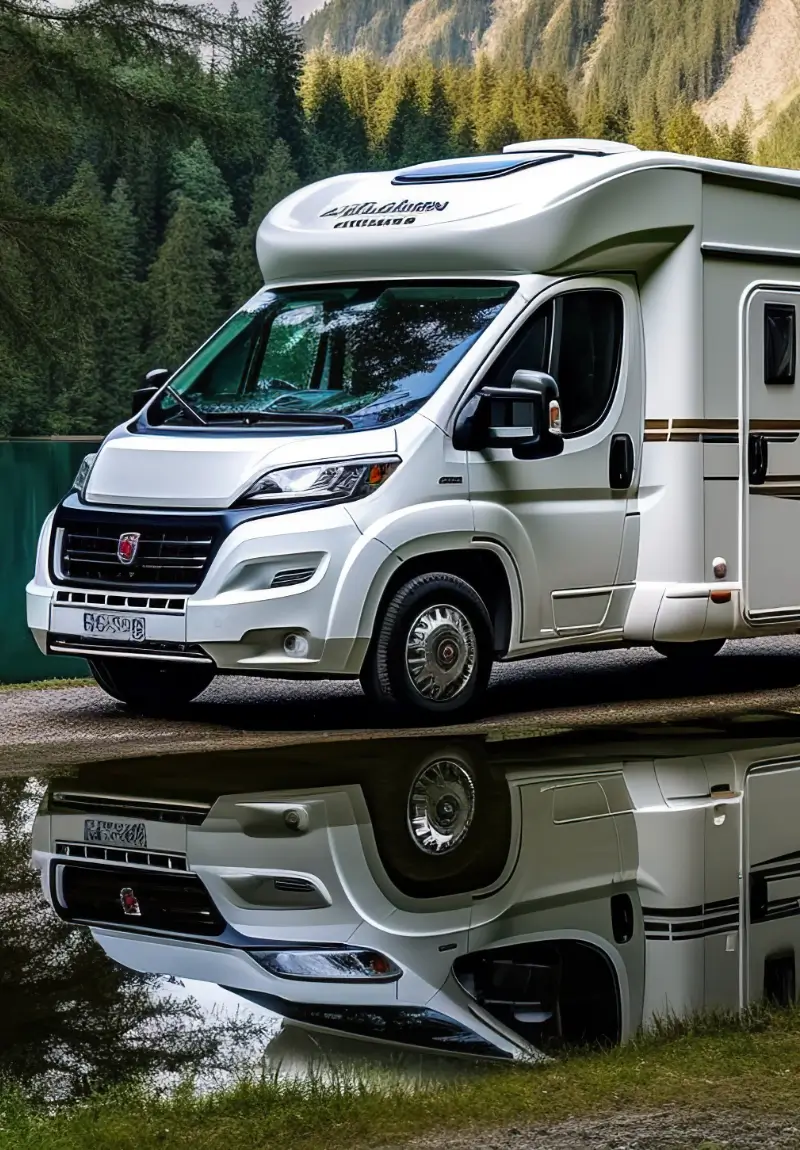
| 9 inch | Vans, motorhomes | better detail recognition |
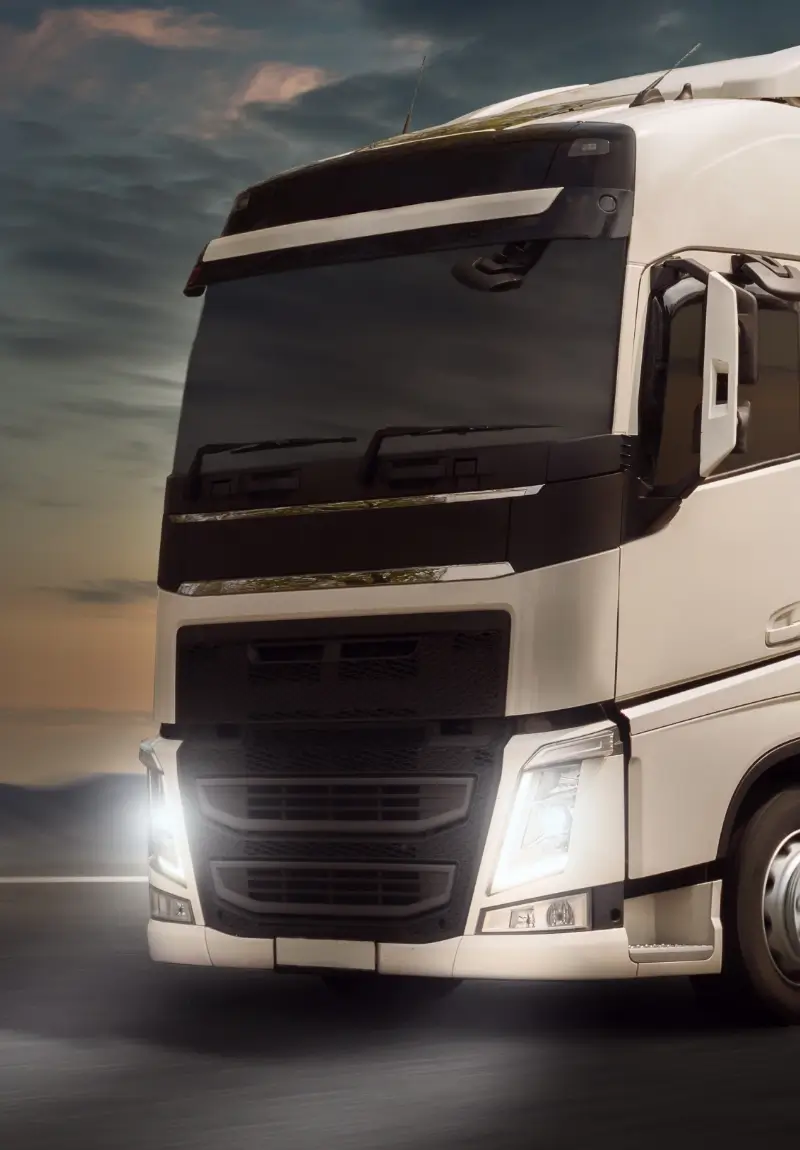
| 10 inch | Lorries, agriculture, multi-camera systems | maximum overview |
Rule of thumb:
The larger the vehicle or the more cameras that are connected, the more a larger monitor makes sense.
Modern reversing monitors offer:
Particularly suitable for:
Depending on the model, our monitors offer:
These features increase control, precision and traceability in everyday use.
For open vehicles, agricultural machines or construction machinery, waterproof monitors are a sensible choice.
Typical features:
Especially in agriculture or industrial environments, that is essential for long-term reliability.
✔ Private customers needing a retrofit
✔ Vans in daily use
✔ Lorries with a 12–30 V onboard electrical system
✔ Agricultural and construction applications
✔ Fleet operators with multi-camera systems
A standalone monitor is ideal if:
A complete reversing camera kit makes sense if:
➡ Category: Reversing camera kit
VSG24 stands for:
Especially with multi-camera systems, choosing the right monitor is crucial for operational safety.
A depot yard early in the morning.
Several vehicles are manoeuvring at the same time.
A split-screen monitor shows the rear area, side view and trailer simultaneously.
Clear visibility means:
Quick decisions.
Less risk.
More control.
The display unit of a reversing camera system for showing the camera image.
It determines overview, reaction speed and precision when manoeuvring.
In the event of a fault, poor image quality or when you want to expand the system.
A high-quality reversing monitor provides a clear view, modern functions and long-term safety.
Choose the right monitor for your reversing camera system now –
or get personalised advice.
The reversing monitor is the central control unit of the entire reversing system. It determines how many cameras can be used, how quickly images can switch, and how clearly information is displayed.
Even a high-quality camera is of little use if the monitor does not process the signal cleanly or lacks key functions. For that reason, the monitor should always be chosen to suit the intended application — not just by size, but by the technology, inputs and control logic.
CVBS is an analogue standard and is mainly found in older or basic systems. AHD, by contrast, enables significantly higher resolution and sharper images without the need for complex digital systems.
Modern reversing monitors from VSG24 support AHD signals and are often backwards compatible, so older cameras can still be used. The key point is that the camera and monitor must support the same signal standard — it is worth doing a quick check before buying.
That depends on the application.
A monitor with more inputs provides future-proofing, even if only one camera is currently in use. VSG24 recommends choosing monitors so that later expansions remain straightforward.
Trigger functions control which camera image is shown automatically and when. Typical triggers include the reversing light, indicators, or external switching signals.
Example: when the indicator is activated, the monitor automatically switches to the side camera. When reverse gear is selected, the rear view appears.
Especially with multiple cameras, clean trigger logic is essential for day-to-day clarity and safety.
Monitors with a recording function save video footage from connected cameras using loop recording. This can be useful for documenting manoeuvres, clarifying damage claims, or internal traceability in fleet operations.
Not all of them — but there are specialist models.
For open vehicles, agricultural machinery or forklifts, splash-proof or fully waterproof monitors (IP67 or IP69K) are used. These are protected against dust, moisture and cleaning.
VSG24 specifically offers monitors for harsh operating conditions where standard in-cab monitors would fail quickly. Discover our PROGUARD HD monitors.
The controls determine how practical the monitor is for everyday use.
High brightness and a good viewing angle are also important so the image remains clearly visible even in sunlight.
Distance lines help you judge gaps more accurately — especially when manoeuvring. Many monitors allow lines to be shown or hidden and/or adjusted.
Zoom functions allow specific areas of the image to be enlarged, for example when docking precisely or in unclear situations.
These functions are in the monitor — not in the camera — and are therefore an important selection criterion.
Yes. High-quality reversing monitors can manage wired and wireless cameras in parallel, depending on the model.
At VSG24 there are monitors that can be connected to both permanently installed cameras and wireless cameras with a wireless transmitter (e.g. for trailers or swap bodies). This provides maximum flexibility and investment security. Discover our Horizon Stellar wireless reversing camera.
Reversing monitors may look similar at first glance, but they differ significantly in technology, inputs, trigger logic and robustness.
The wrong monitor can limit the entire system — even with good cameras. VSG24 provides targeted advice so that the monitor, cameras and application are technically well matched. This prevents incorrect purchases and ensures a system that continues to work reliably long term.