0
0
Your shopping cart is empty.
Total: ${ $store.state.basket.data.itemSum | currency } (Gross) ${ $store.state.basket.data.itemSumNet | currency } (Net)
 CABLE ADVANCED Sharp detail up close. Clear view at distance


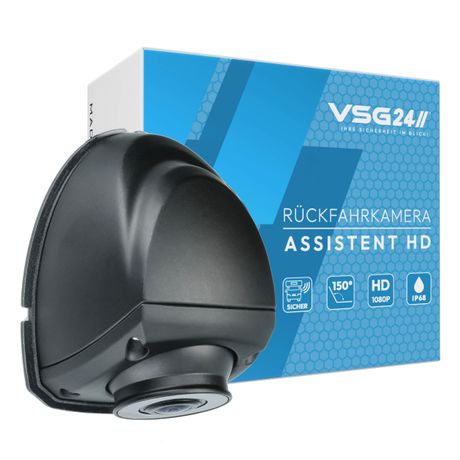 CABLE ASSISTENT HD Side view camera for enhanced road safety



 CABLE BUMPER Seamlessly integrated into the bumper


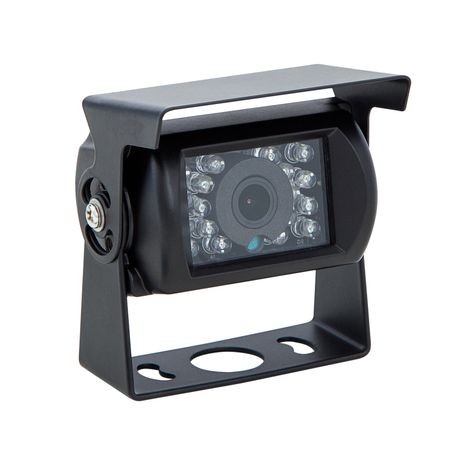 CABLE CAMPER HD Reverse safely. Travel with ease – in FULL HD
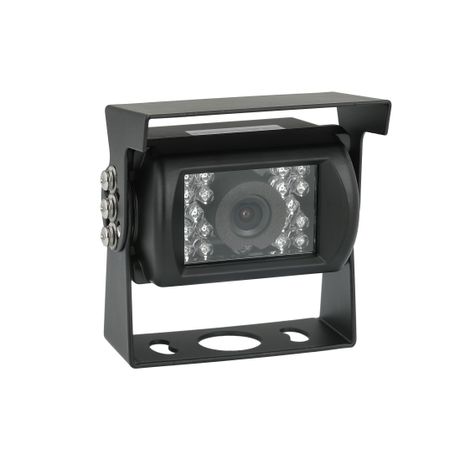 CABLE CAMPER Practical safety solution for motorhomes and trailers
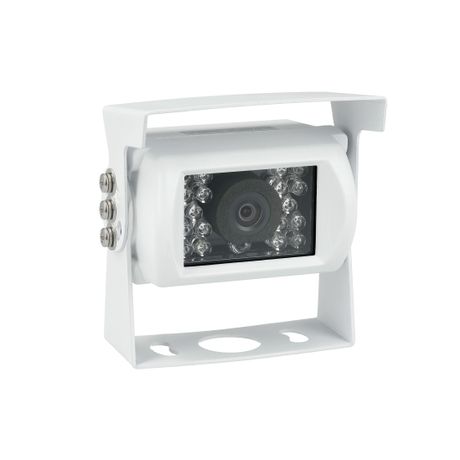 CABLE CAMPER Simple solution for motorhomes and trailers
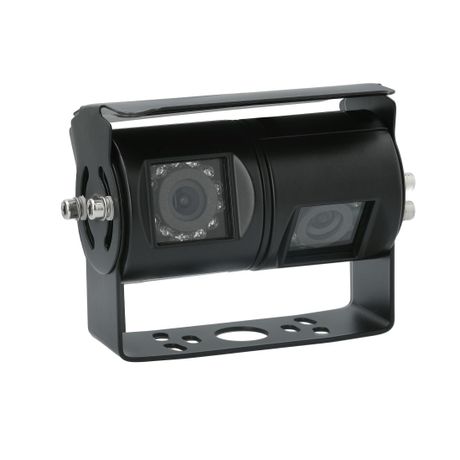
 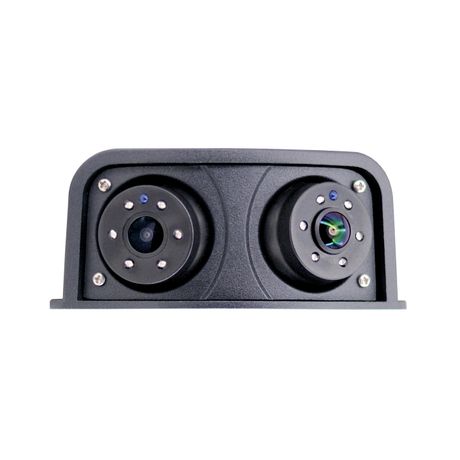 CABLE DUAL HD Clear visibility in both near and даль range

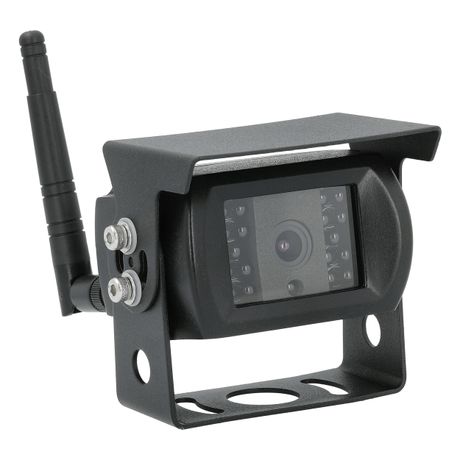 WIRELESS EVOLUTION HD Expand your EVOLUTION HD system



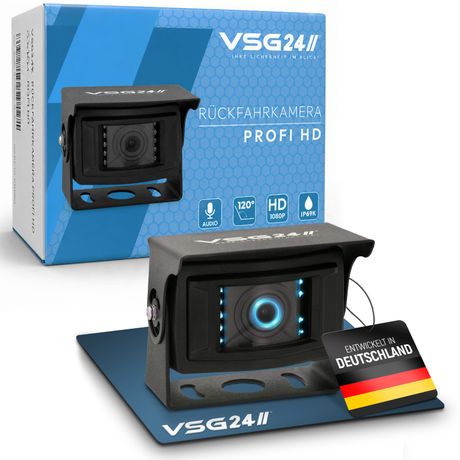 CABLE PROFI HD Extremely rugged – fully heated – real-time audio

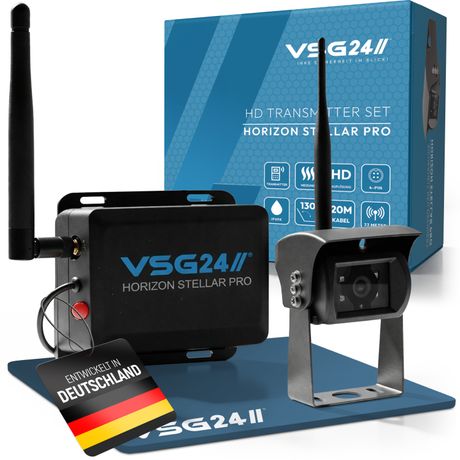 WIRELESS HORIZON STELLAR PRO Expand your wired HD system

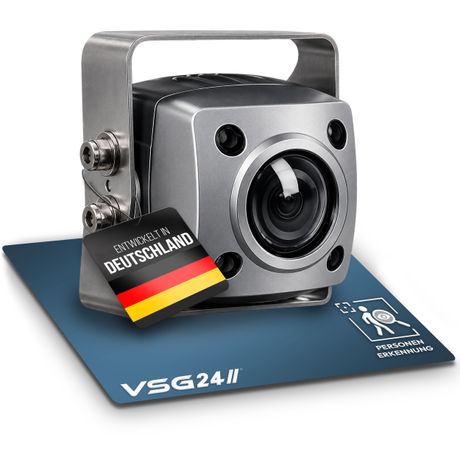 CABLE IP69K EXPERT Extremely durable – designed for demanding applications


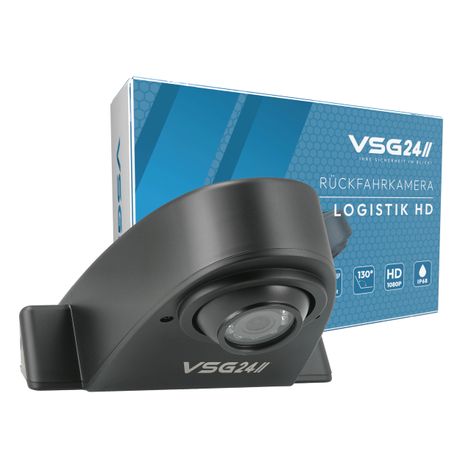 CABLE LOGISTIK HD Van reversing camera with flexible ball joint
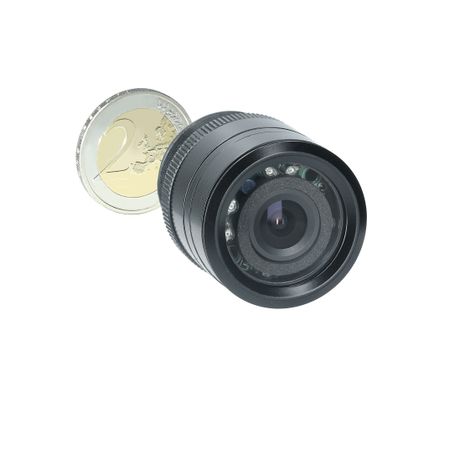
 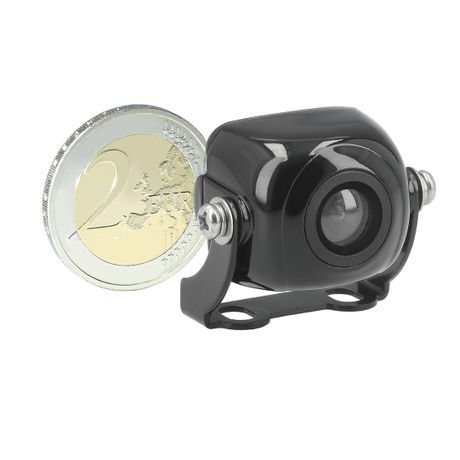 CABLE MAXX Mini cam for the smallest installation spaces
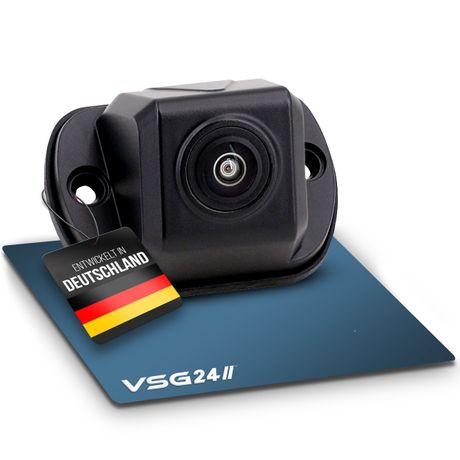 CABLE NAVIGATOR HD Compact aluminium camera with ultra-wide field of view
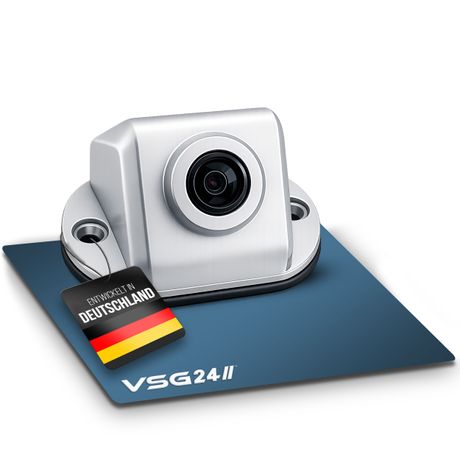 CABLE NAVIGATOR HD Compact aluminium housing with ultra-wide viewing angle
 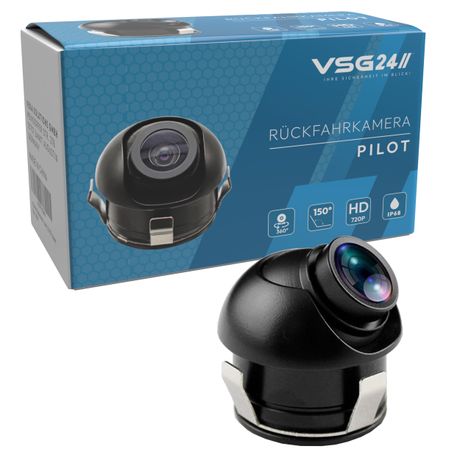 CABLE PILOT HD Mini camera – big perspective in HD
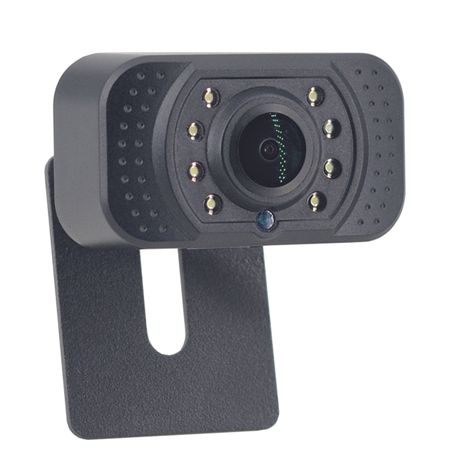 CABLE PILOT PRO HD High-performance reversing aid for number plate mounting
 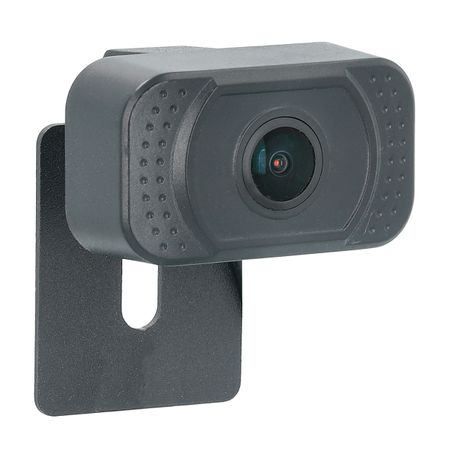 WIRELESS PREMIUM ONE Expand your PREMIUM ONE system

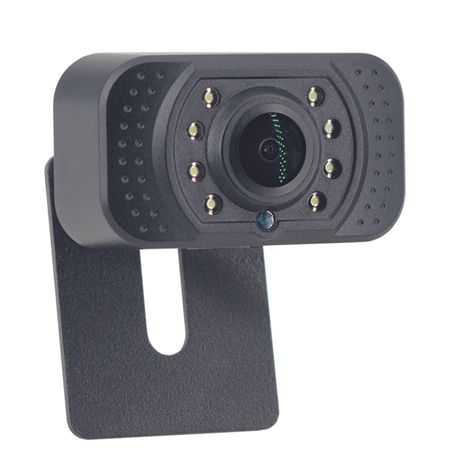 WIRELESS PREMIUM PRO Expand your PREMIUM PRO system
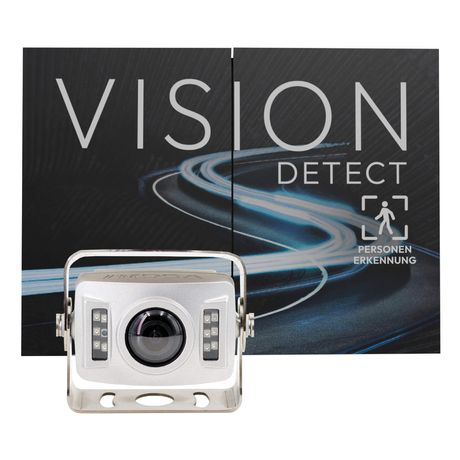 CABLE DETECT VISION Advanced technology with intelligent person detection
 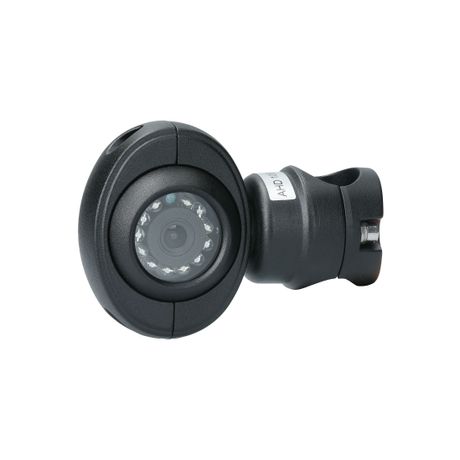 CABLE PROTECT Special tube mount for mirror arms
 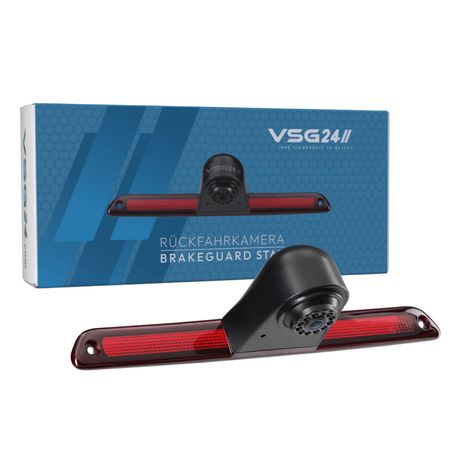 CABLE BRAKEGUARD STAR Van camera with adjustable ball head
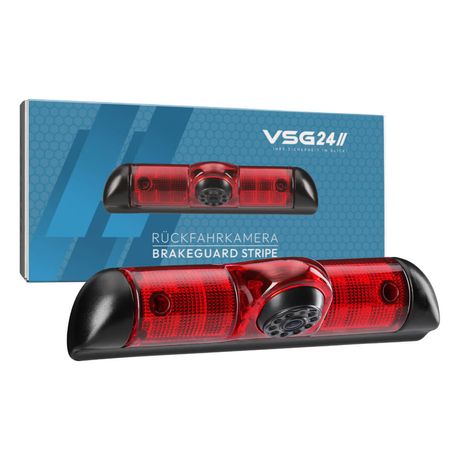 CABLE BRAKEGUARD STRIPE Reversing camera for vans – flexibly adjustable
 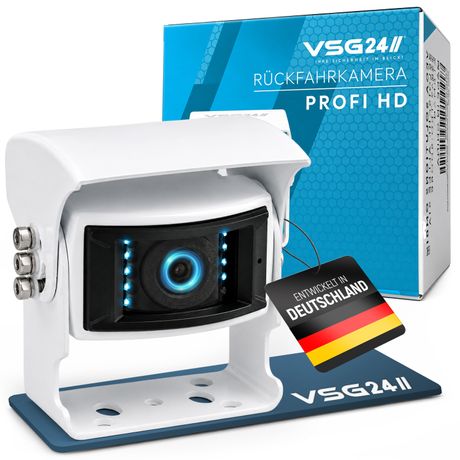 CABLE PROFI HD Shock-resistant – fully heated – real-time audio
 Tight parking spaces and narrow streets demand your full attention. Do you know that moment when you simply hope your HGV, motorhome or car will squeeze through without damage? Parking can start to feel like a game of chance, with the constant worry of hitting another vehicle.
Put an end to these challenges with a reversing camera. These systems have become an increasingly popular parking aid, as they are now available in a wide range of models and can be retrofitted to many vehicles. Whether for a car, HGV, van or caravan, a reversing camera actively supports the driver and makes manoeuvring safer and easier.
If you are considering a reversing camera, it is important to understand the different types available. Simply buying a universal model is no longer sufficient. With various specifications and features such as night vision, waterproof housing and wireless transmission, the range of reversing camera systems is extensive.
Note: A reversing camera system for cars, HGVs, vans or motorhomes is designed to assist the driver when parking, reversing or carrying out complex manoeuvres.
Reversing systems are particularly useful for vehicles with limited rear visibility, such as HGVs, vans and motorhomes. If you are planning a retrofit, you should be familiar with the following types:
Installing a reversing camera is always a considered decision, as it involves fitting additional equipment to your vehicle. The cost of individual models is often less important than the practical benefits. But how useful is a reversing camera in everyday driving?
Many vehicles are already equipped with acoustic parking sensors. These systems emit a progressively faster audible signal as you approach an obstacle. While helpful—especially in HGVs and motorhomes—a reversing camera significantly improves rear visibility. Low-lying obstacles in particular can be identified much more easily.
Note: Parking sensors can also be combined with a camera, which can, for example, be mounted near the number plate.
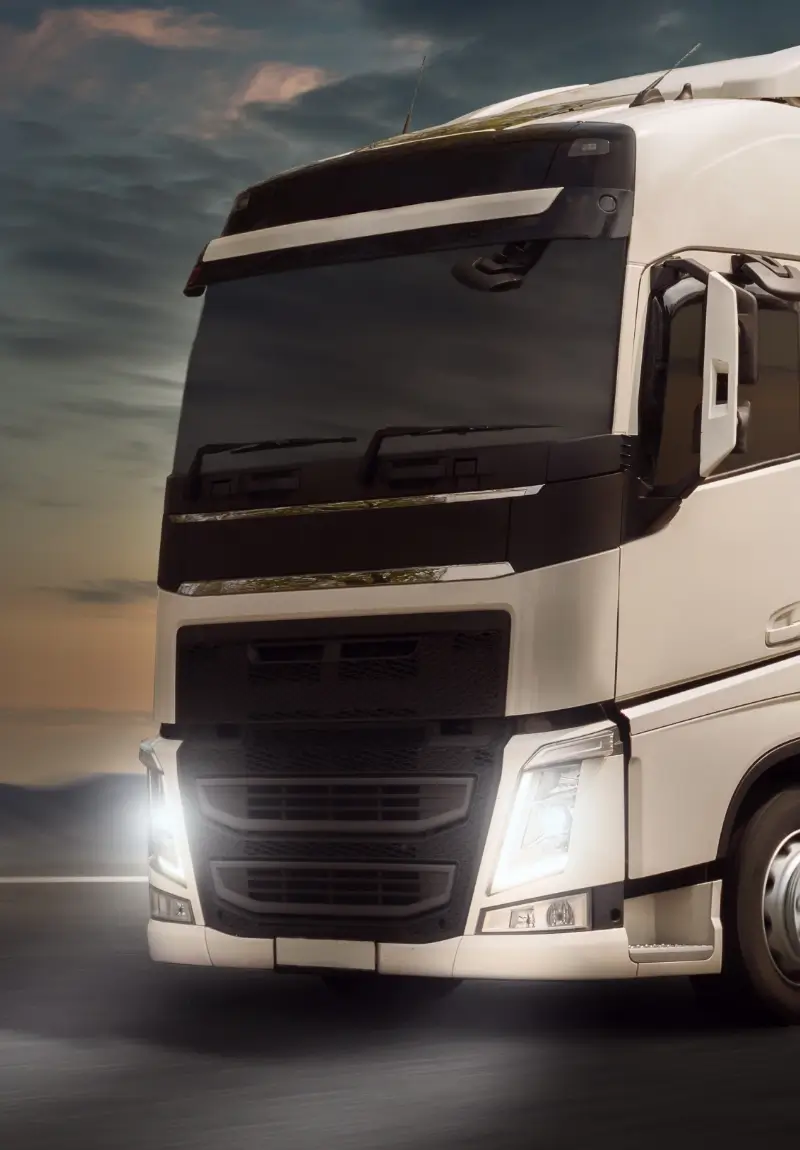
An Truck offers very limited rear visibility. Obstacles at the end of a trailer are often impossible to see directly. Although most Trucks emit an external acoustic warning signal when reversing, this is intended for people nearby rather than the driver. A reversing camera for Truck therefore provides clear benefits.
Installation is particularly straightforward if you choose a wireless reversing camera. Wired Truck reversing cameras are also available, but they require more complex installation. Wireless systems, by contrast, can be fitted quickly and easily.
Available models for Trucks include:
Browse our range of reversing cameras for Trucks that are quick to install and approved for road use.
Suitable categories:
Reversing camera sets for Trucks | Reversing cameras for Trucks
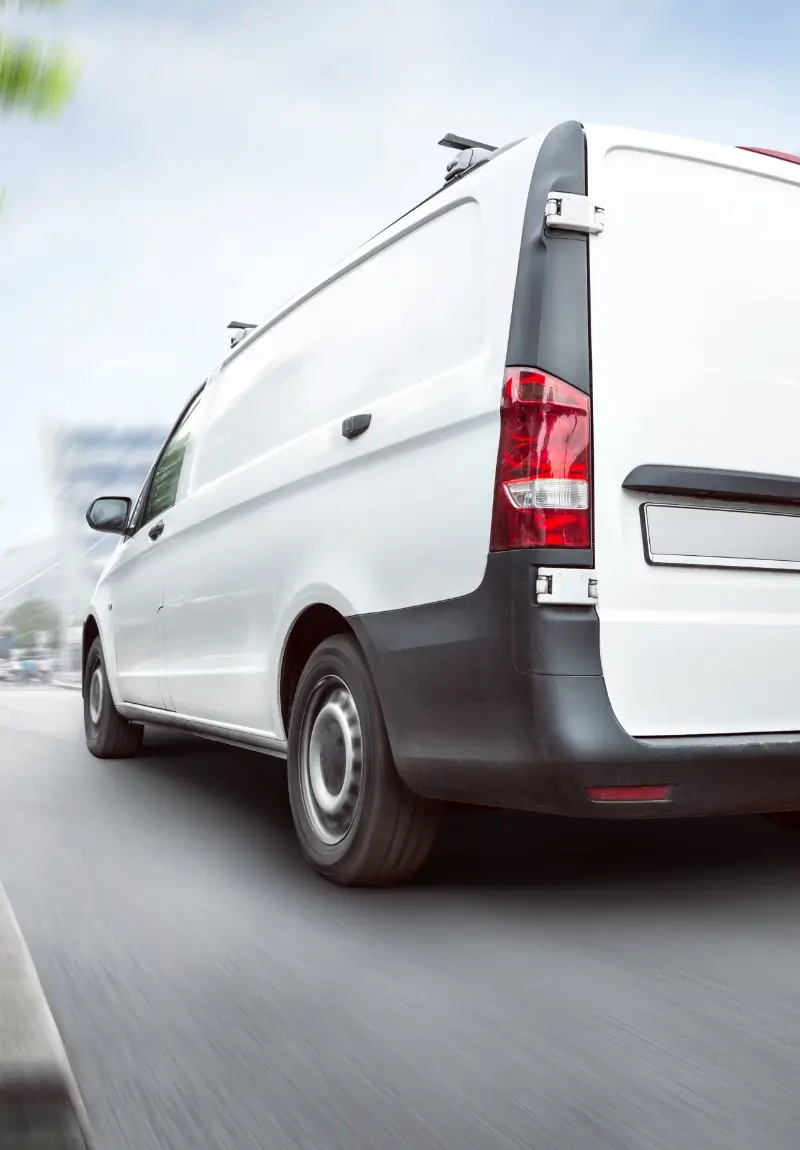
A reversing camera for vans is essential to help prevent damage to both the vehicle and its surroundings. Standard door mirrors do not provide a clear view of the centre rear area, which can lead to pedestrians or obstacles being overlooked.
The advantages of a reversing camera for vans are clear. They are easy to install, enhance safety and help protect the vehicle, its occupants and the surrounding area.
Available models for vans:
All of these models can be retrofitted to improve rear visibility. The key differences lie in the field of view and image quality displayed on the in-car monitor (e.g. HD 720P resolution), as well as whether night vision is included.
Suitable categories:
Reversing camera sets for vans | Reversing cameras for vans
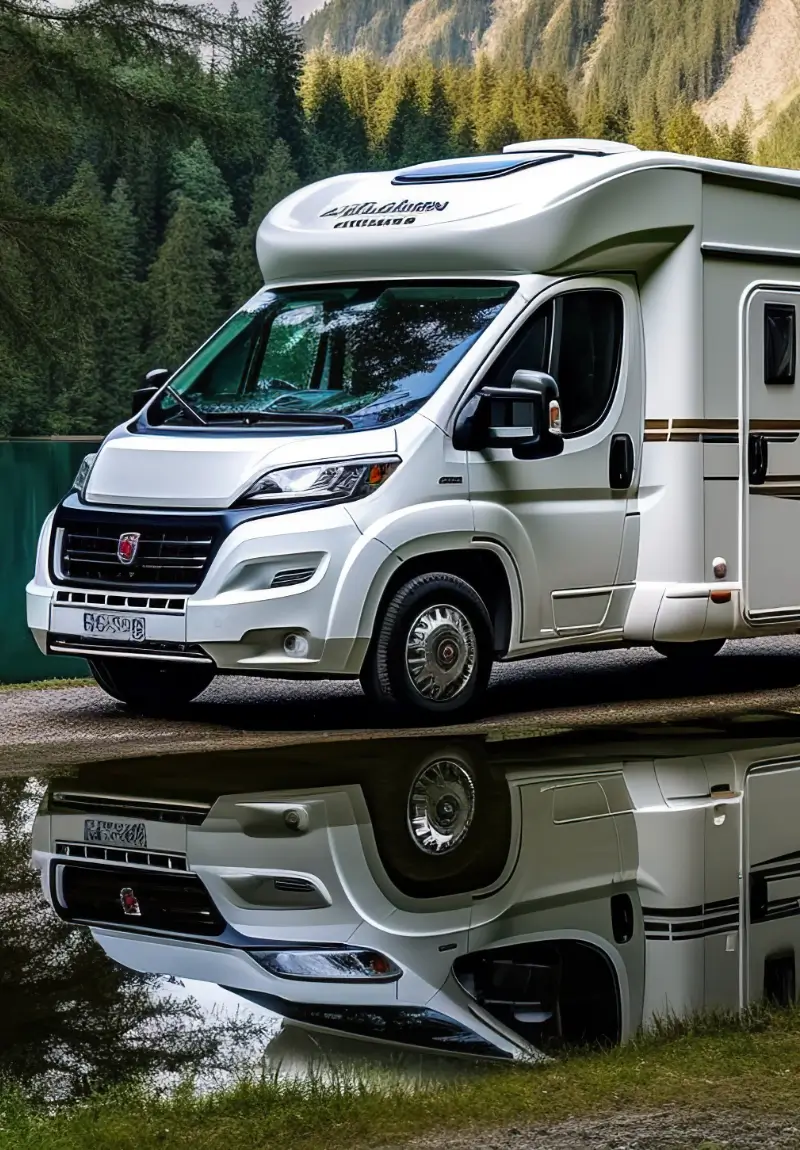
For many people, a motorhome represents freedom and relaxation. Arriving safely and comfortably at your destination is essential. A reversing camera is particularly valuable when manoeuvring or parking at campsites.
Suitable reversing camera types for motorhomes:
These systems can be retrofitted using either wireless transmission or a wired connection. Retrofit costs vary depending on the model and installation method. Entry-level reversing cameras for motorhomes can start from around 50 Euro.
The primary difference between models is the viewing angle. For wider motorhomes, a camera with a 154° wide-angle lens may be advisable.
Suitable categories:
Reversing camera sets for motorhomes | Reversing cameras for motorhomes
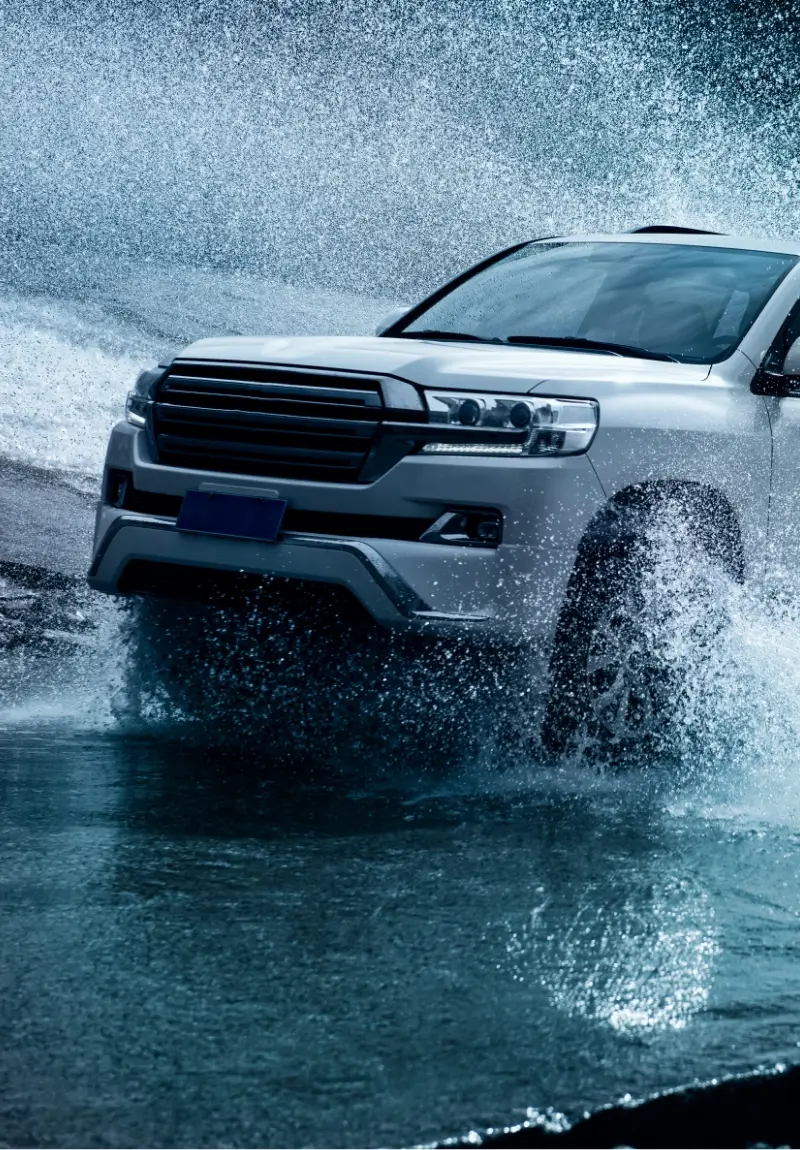
Reversing cameras for cars are increasingly popular and are often installed in addition to standard parking sensors. If you prefer not to rely solely on an acoustic warning, a camera provides added visual reassurance. Wireless models are also available for cars.
Common options include:
The main differences between these models are their size and viewing angle. Car reversing cameras may feature a wide-angle lens of up to 170°, which is particularly useful for wider vehicles. Installation typically involves mounting the camera in the bumper or, in the case of mini cameras, positioning it flexibly.
Suitable categories:
Reversing camera sets for cars | Reversing cameras for cars
When choosing a reversing camera, you should always consider the available additional features. Many models include a night vision function, which we strongly recommend. Night vision ensures a clear image even in low-light conditions, such as dark streets or narrow lanes, allowing obstacles to be identified more quickly.
Key functions of a reversing camera system include:
If you are looking for a reversing camera, explore our range. We offer practical and reliable solutions for cars, HGVs, motorhomes and vans.
Overview:
All complete systems: Reversing camera set
Advice & support: Contact and advice page
A single reversing camera is ideal if you already have a monitor or an existing rear-view system. Instead of buying a complete set again, you can add or replace a camera in a targeted way – efficient, sustainable and cost-saving.
A single camera is also the right choice when expanding a system (e.g. a side camera, trailer camera or front camera). That way, the system grows with your requirements without replacing unnecessary components.
Many reversing cameras are standardised and can be combined with existing monitors – provided the voltage, signal type and connection match. This is exactly where the right selection matters.
VSG24 pays particular attention to compatibility with common rear-view systems and offers advice if you’re unsure. This helps customers avoid incorrect purchases and ensures the camera and monitor work together technically.
Yes. In many cases, a faulty camera can be replaced easily without changing the entire system. The prerequisite is that the new camera matches the existing cabling, voltage and signal transmission.
A major advantage with VSG24: long-term spare parts availability. This means existing systems can be maintained – instead of being replaced completely.
Reversing cameras differ significantly in quality, viewing angle, resolution and robustness. While basic models are intended only for occasional use, professional cameras are designed for continuous operation, vibration and weather exposure.
Protection ratings such as IP67 or IP69K, a clear image and stable signal transmission are particularly important – depending on the application.
Yes. There are reversing cameras for almost every application: cars, transporters/vans, motorhomes, trucks, agricultural vehicles, forklift trucks or horse trailers. However, the requirements vary considerably.
While retrofitting and compactness are the focus for cars, robustness, vibration resistance and wide viewing angles are crucial for trucks or agricultural vehicles. That is precisely why making the right choice is so important.
Yes. Wireless reversing cameras as individual components are particularly popular when cables should not be routed or when flexible solutions are needed – for example for trailers or changing vehicles.
VSG24 relies on proven 2.4 GHz wireless technology that has demonstrated itself in everyday vehicle use. Some wireless cameras also feature integrated batteries or magnetic mounts for maximum flexibility.
Yes. A particular advantage at VSG24: there are wireless reversing cameras that can be combined with wired monitors. This makes it possible to expand existing systems flexibly – for example for trailers or temporary applications.
➡ Suitable wireless camera: HORIZON STELLAR PRO
These hybrid solutions offer maximum freedom without breaking your existing system.
The viewing angle determines how much of the area behind or beside the vehicle is visible. A wider viewing angle provides more overview, but can visually distort distances.
Depending on the use case – precise manoeuvring, monitoring, or trailer operation – the right viewing angle is crucial. VSG24 helps you find the right balance between overview and accuracy.
Not every camera is designed for continuous operation. High-quality reversing cameras, however, are specifically engineered to work reliably over longer periods – for example as a digital rear-view mirror or monitoring solution.
In commercial vehicles especially, this feature is crucial for safety and service life.
Single cameras may seem simple at first glance – but technically they are often more complex than complete sets. Voltage, signal type, monitor compatibility and operating conditions all need to fit together.
VSG24 provides targeted advice so the new camera genuinely matches your existing system. This saves time and money and ensures long-term satisfaction.