0
0
Your shopping cart is empty.
Total: ${ $store.state.basket.data.itemSum | currency } (Gross) ${ $store.state.basket.data.itemSumNet | currency } (Net)
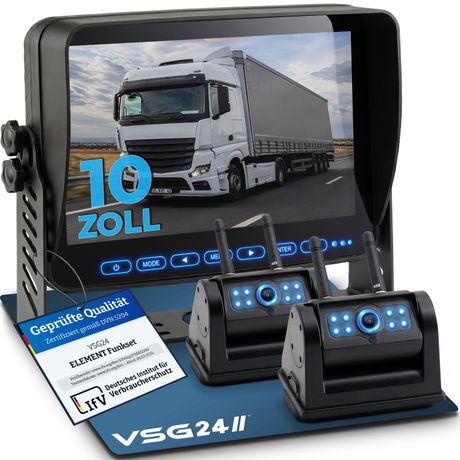 WIRELESS ELEMENT HD XL | 2CAM Battery power – maximum freedom





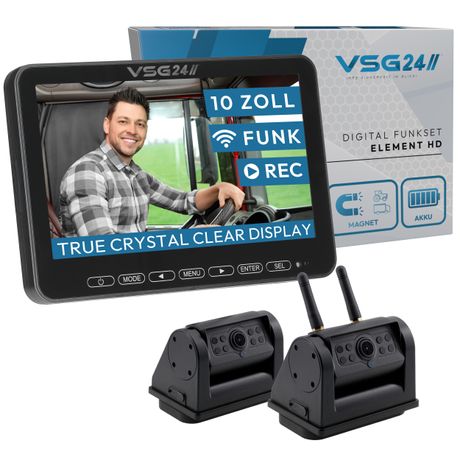 WIRELESS ELEMENT HD XL | 2CAM High performance with battery operation
 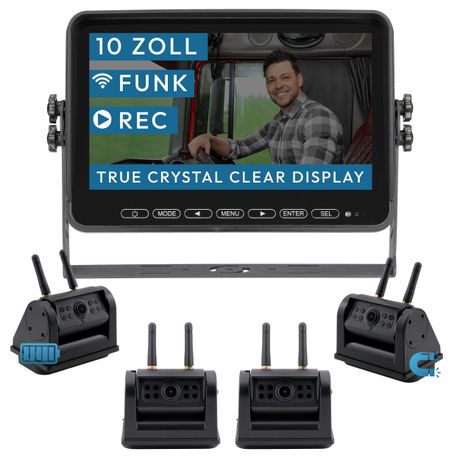 WIRELESS ELEMENT HD XL | 4CAM Magnetically mounted – ready to go – fully protected

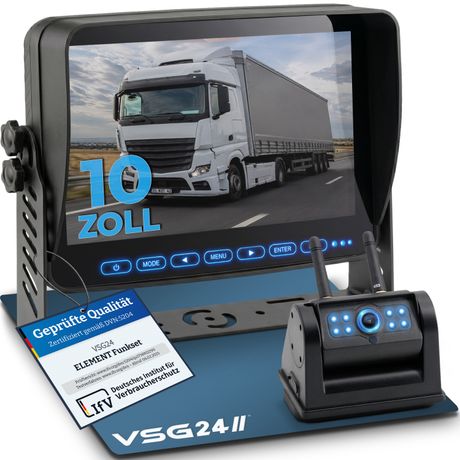 WIRELESS ELEMENT HD XL Flexible mounting for maximum control
 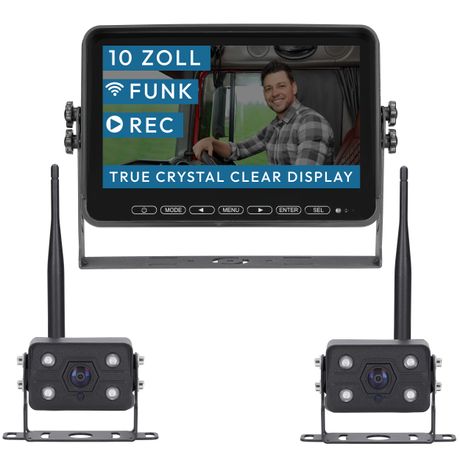 WIRELESS ELEMENT WIRED PRO HD XL | 2CAM The professional wireless set in XXL format



 WIRELESS ELEMENT WIRED PRO HD XL | 4CAM Complete system for seamless vehicle monitoring
 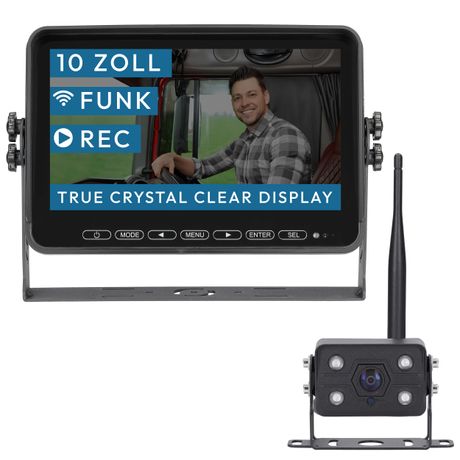 WIRELESS ELEMENT WIRED PRO HD XL Pioneering technology for effortless manoeuvring
 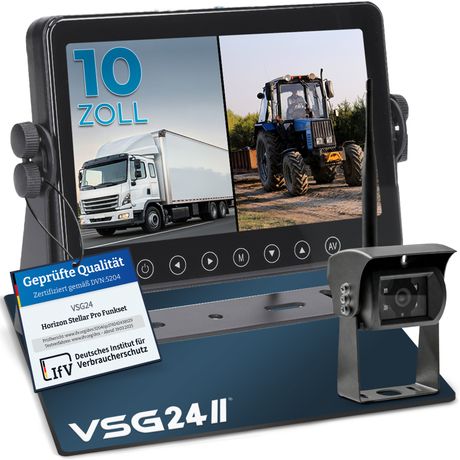 WIRELESS HORIZON STELLAR PRO XL | 1CAM High-end wireless system for the highest demands



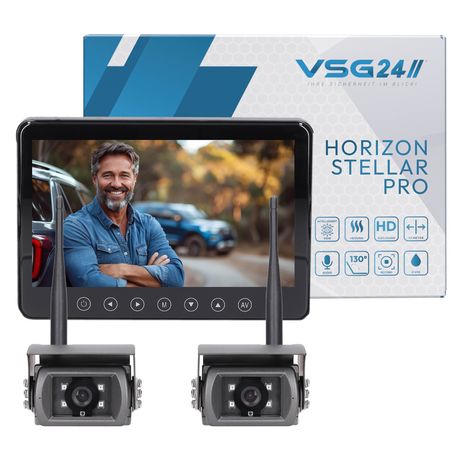 WIRELESS HORIZON STELLAR PRO XL | 2CAM Powerful wireless reversing system for experts
 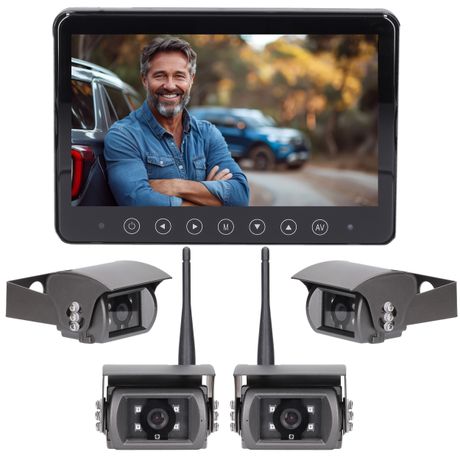 WIRELESS HORIZON STELLAR PRO XL | 4CAM Professional-grade wireless reversing camera
 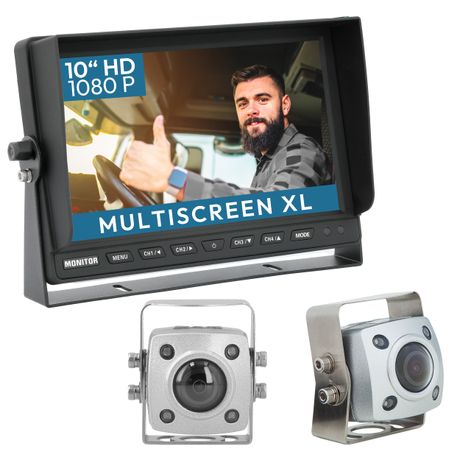 CABLE IP69K EXPERT XL | 2CAM Designed for the highest standards in visibility and safety



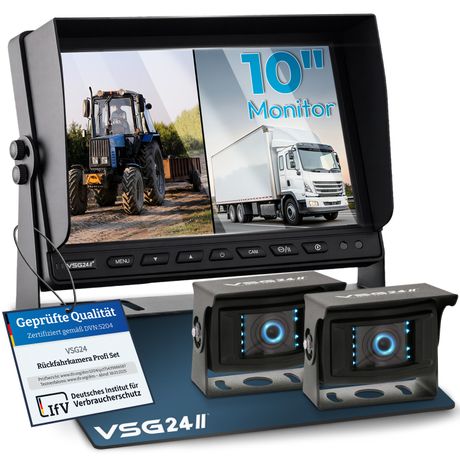 CABLE PROFI HD XL | 2CAM Enhanced visibility for professional control
 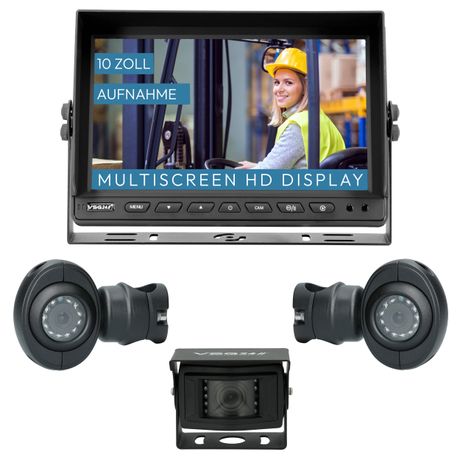 CABLE PROTECT PRO XL | 3CAM No chance for blind spots
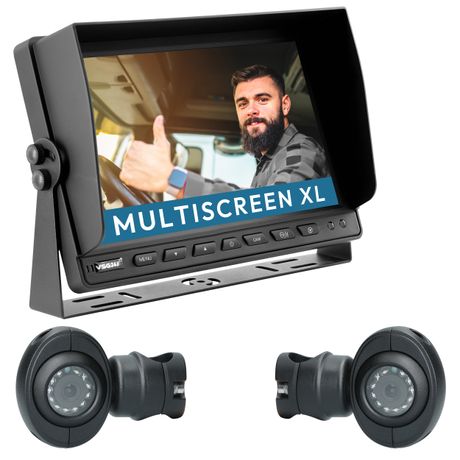 CABLE PROTECT XL | 2CAM Turn safely – no blind spots
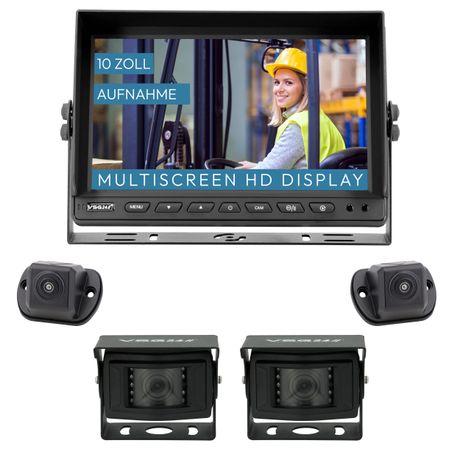 CABLE RUNDUMBLICK XL PROFI HD The navigation solution for specialists
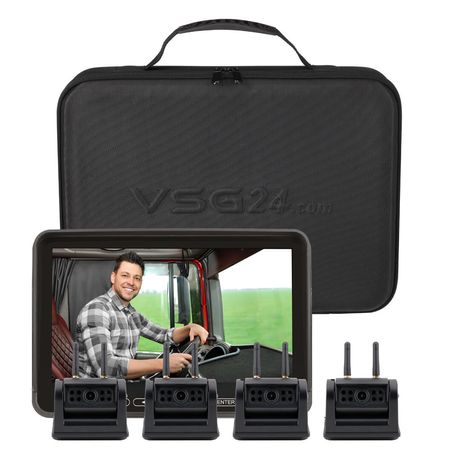 WIRELESS ELEMENT HD XL | 4CAM Strong magnetic hold – instantly installed – fully protected
  WIRELESS ELEMENT HD XL Flexible installation – drive with confidence
  WIRELESS ELEMENT WIRED PRO HD | 2CAM Reliable transmission even for large vehicles
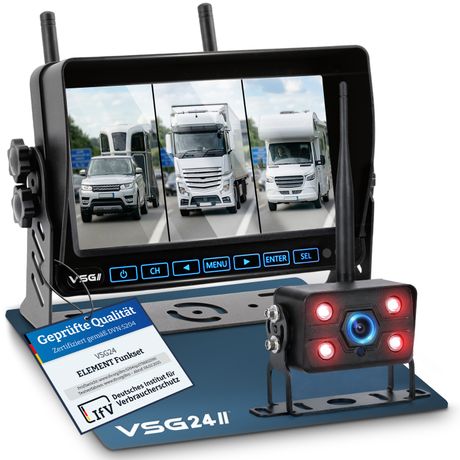 WIRELESS ELEMENT WIRED PRO HD Greater range – flexible antenna – perfect overview
 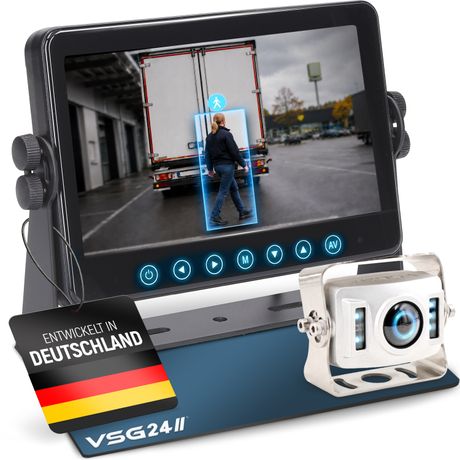 CABLE DETECT VISION Precise person detection with obstacle warning
 WIRELESS HORIZON STELLAR PRO | 4CAM High-end solution for reversing professionals
 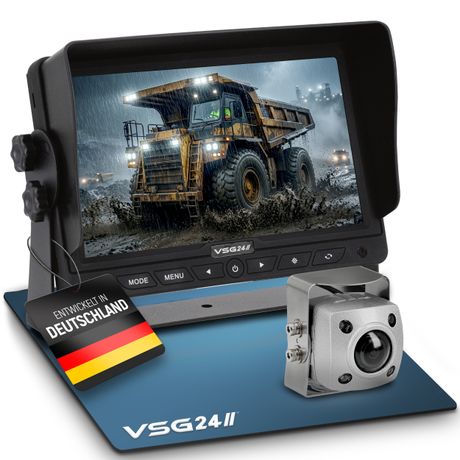 CABLE IP69K EXPERT Certified expert quality for every application
 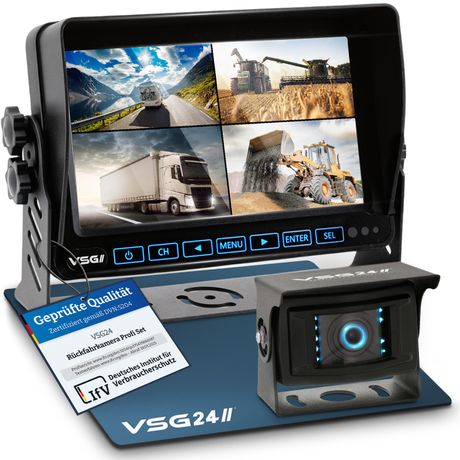 CABLE PROFI HD Professional rear visibility for maximum safety
 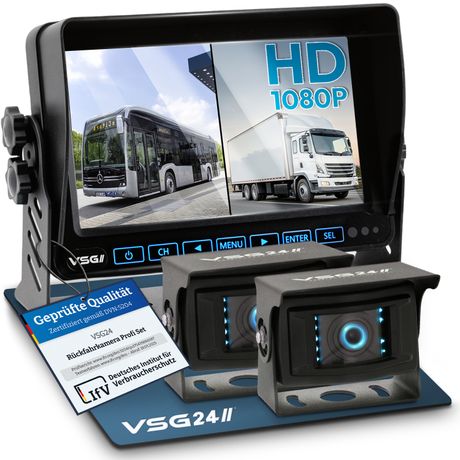 CABLE PROFI HD | 2CAM Powerful technology for comprehensive control
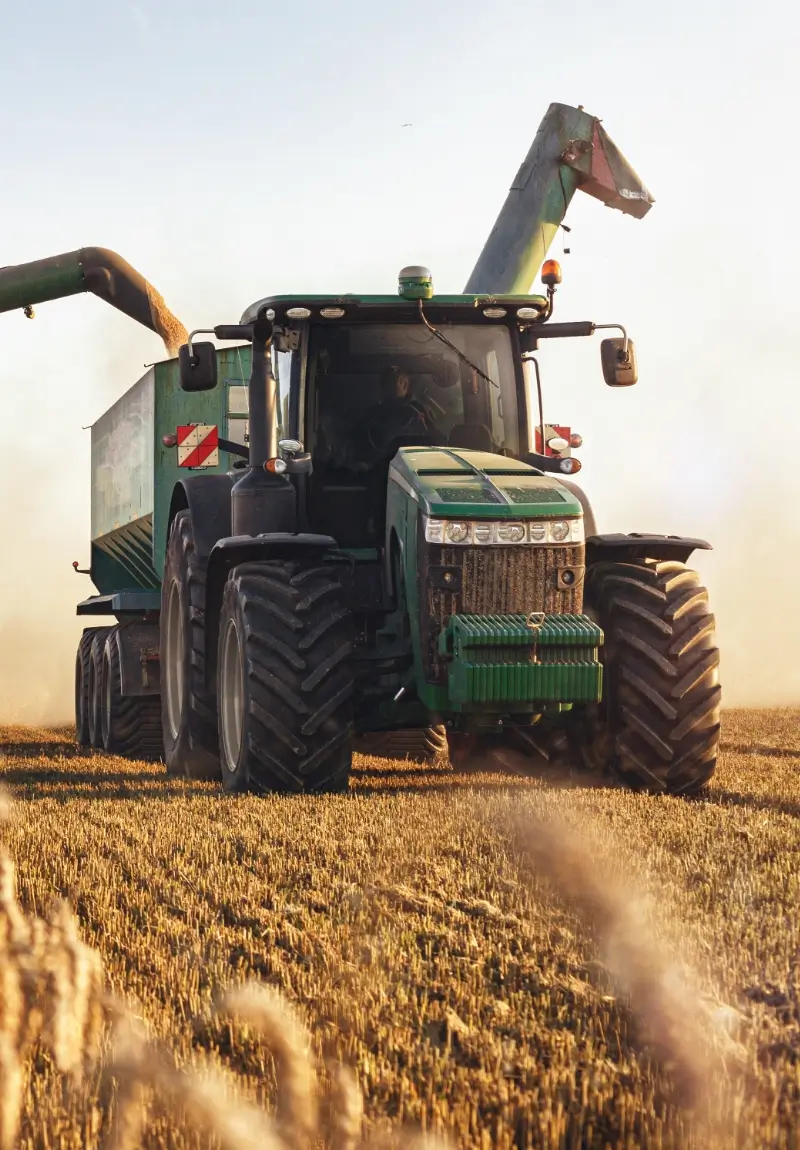
 Reversing camera systems for agricultural machinery are specially designed, vibration-resistant and waterproof camera solutions for everyday use in farming. They are used not only for safer manoeuvring, but also for monitoring implements, harvest processes and large machine combinations under real field conditions.
In agriculture, reversing cameras are safety-relevant driver-assistance systems for modern farm machinery. They improve control, reduce manoeuvring risks and support precise workflows.
Agricultural vehicles operate under conditions that are significantly more demanding than typical road use:
A typical retrofit reversing camera for a car is usually not built for these loads. Insufficient protection ratings, unstable signal transmission or fragile housings can quickly lead to picture dropouts or failures.
A reversing camera for a tractor or harvester must work reliably over time — during harvesting, field manoeuvres and in adverse weather.
In agriculture, reversing cameras are not used only for reversing. They are also used to actively monitor working processes:
In many operations, a reversing camera for agricultural machinery now replaces the manual walk-around check.
For an agricultural reversing system to work reliably, the following features are essential:
For complex machine combinations, multi-camera systems with split-screen monitor views are recommended to monitor multiple perspectives simultaneously.
In agriculture, the choice of signal transmission is crucial.
Wired systems offer maximum signal stability and are particularly suitable for machines used daily or with long vehicle combinations. You can find suitable solutions in the category Wired reversing camera systems.
Wireless solutions can be useful when implements change frequently or when flexible mounting is required.
A specialised reversing system for agriculture makes sense if:
For pure road transport or commercial freight operations, specialised solutions from the HGV segment are often more suitable: Reversing camera systems for HGVs.
Wrong decisions often happen because of:
Especially during harvest time, such mistakes can lead to avoidable downtime.
If a farm machine is regularly used in the field and implements must be monitored, a robust, vibration-resistant reversing camera with stable signal transmission is the right choice.
If you need multiple viewing angles, consider a multi-camera system with a 10 inch monitor. The key is matching the reversing camera for a tractor or harvester to the vehicle type, operating time and environmental conditions.
The full overview of complete solutions can be found in the main category Reversing Camera Set: Reversing Camera Set
If you need help choosing, the contact and advice page provides individual technical guidance.
What is a reversing camera for agricultural machinery?
A camera system developed specifically for agricultural vehicles to monitor the rear area, implements and work processes under demanding conditions.
Who is it suitable for?
Farmers, contractors and operators of tractors, harvesting machines and large trailer combinations.
When is it worthwhile?
For daily use, strong vibration, moisture exposure or complex working processes.
What should you look out for?
Protection rating, vibration resistance, monitor size, stable signal transmission and the correct voltage range.
An agricultural reversing system should not only be technically compatible, but also remain reliable over the long term under real operating conditions. Discover proven reversing camera solutions for farm machinery and find the system that makes your day-to-day work safer and more efficient.
In agriculture, operators often work with large, hard-to-see machines—frequently in tight spaces, with people nearby and under constantly changing conditions. Reversing systems are safety-relevant driver-assistance solutions here because they help make blind spots visible and significantly reduce the risk of accidents.
On farms, during harvest work or around yards and barns, people, animals and machinery move at the same time. A reliable reversing system creates clearer awareness, reduces stress and improves safety in day-to-day operation. What matters is not only the camera itself, but a system that continues to work reliably—despite dirt, moisture and vibration.
Agricultural reversing systems must deliver far more than standard solutions. They are often used for long hours, exposed to heavy vibration, and still need to function reliably in rain, dust or during pressure washing.
That’s why VSG24 focuses on IP69K reversing cameras, vibration-resistant construction, and durable cables or wireless modules for agricultural use. Monitors also need to be robust—sometimes even splash-resistant or IP69K-rated when mounted in open or damp environments. The key is always designing for real agricultural conditions.
In many agricultural applications, wired reversing systems are the preferred choice. They provide a consistently stable signal, regardless of machine length, metal structures or the surrounding wireless environment. Especially for permanently installed cameras on tractors, harvesters or yard loaders, a wired setup is the cleanest technical solution.
At the same time, there are scenarios where wireless is a smart addition—such as trailers or frequently changed implements. The deciding factor isn’t “wireless vs wired”, but choosing a system that matches the machine and the realities of everyday work.
In agriculture, IP69K is not a luxury—it’s often essential. Cameras with this protection rating are dust-tight, waterproof and designed to withstand pressure washing. That’s exactly what matters in agricultural day-to-day use.
Whether it’s slurry, soil, dust or water—IP69K cameras are built for these loads. VSG24 uses IP69K solutions specifically in the agricultural segment to prevent failures and ensure long service life. A reversing camera that fails after the first wash-down isn’t a solution—it’s a risk.
Yes. For particularly safety-critical environments, VSG24 also offers camera-based systems with person detection. These detect people in the danger zone and provide additional support for the driver—for example through visual or audible warnings.
Especially on farms where employees or family members work nearby, this technology can provide a decisive safety advantage. However, it’s important to understand: person detection enhances visibility, but it does not replace the driver’s attention. Used correctly, it can noticeably improve safety.
➡ Discover our DETECT VISION reversing camera
For trailer operation, interchangeable equipment or temporary use, wireless reversing systems are very popular in agriculture. Wireless cameras with an integrated battery and magnetic mounting are especially practical, as they do not require a fixed power supply.
These cameras can be mounted flexibly on metal surfaces and are ready to use immediately—ideal for machines that are not meant to be permanently retrofitted. Combined with a suitable monitor, this creates a flexible solution that makes everyday work significantly easier.
Yes. Agricultural reversing systems can often be expanded with multiple cameras—for example for rear view, side view or implement monitoring. Depending on the monitor, multiple camera feeds can be displayed simultaneously or selected individually.
With complex machinery, this greatly improves overall awareness. Wired systems offer maximum stability, while wireless cameras can be added flexibly. VSG24 ensures systems remain modular and expandable.
Monitors used in agriculture must be vibration-resistant, temperature-tolerant and easy to read. Depending on the mounting location, splash protection may also be important. Larger screen sizes make it easier to recognise details, particularly when multiple camera views are used.
VSG24 supplies monitors designed specifically for vehicle use—not for a car interior—ensuring reliability even under tough conditions.
Yes. Many farms upgrade machinery step by step. That’s why VSG24 focuses on modular systems with long-term spare parts availability. Cameras, monitors or wireless modules can be added, replaced or upgraded selectively.
Hybrid solutions are particularly practical—where wired monitors support both wired and wireless cameras. This keeps the system flexible as requirements change over time.
Agricultural vehicles and use cases vary widely. A system that works well on a tractor is not automatically suitable for a trailer or a harvester. Without proper guidance, systems are often chosen that won’t reliably meet long-term demands.
VSG24 provides targeted advice based on machine type, operating time, environment and expandability. The goal is a solution that works reliably in real life—not just on paper. That’s the difference between a short-term purchase and long-term safety.