0
0
Your shopping cart is empty.
Total: ${ $store.state.basket.data.itemSum | currency } (Gross) ${ $store.state.basket.data.itemSumNet | currency } (Net)
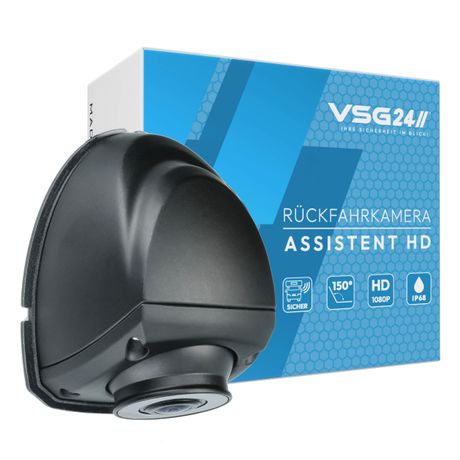 CABLE ASSISTENT HD Side view camera for enhanced road safety





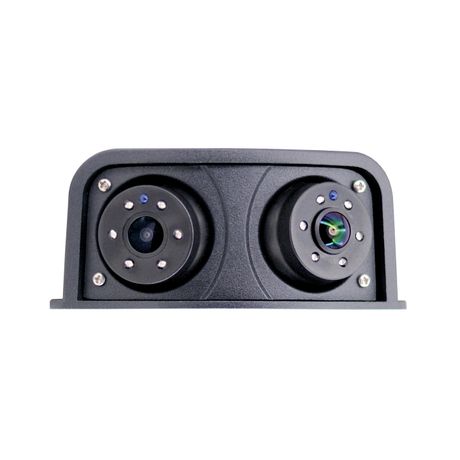 CABLE DUAL HD Clear visibility in both near and даль range


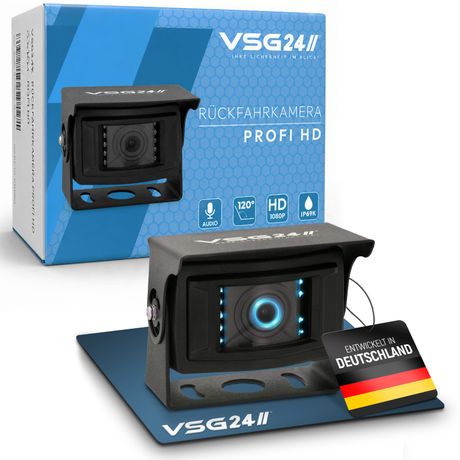 CABLE PROFI HD Extremely rugged – fully heated – real-time audio






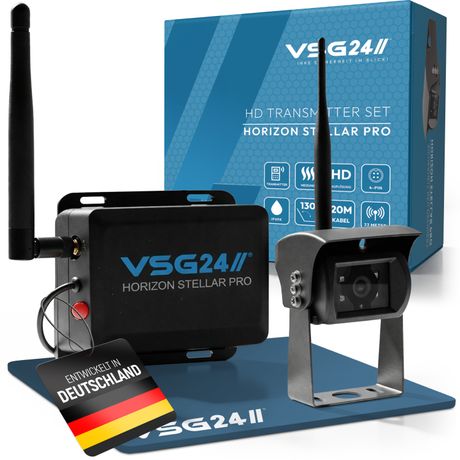 WIRELESS HORIZON STELLAR PRO Expand your wired HD system



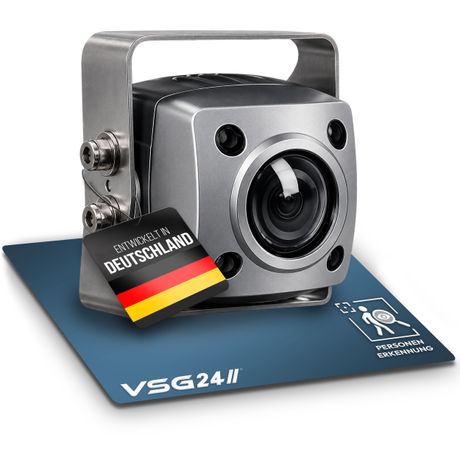 CABLE IP69K EXPERT Extremely durable – designed for demanding applications


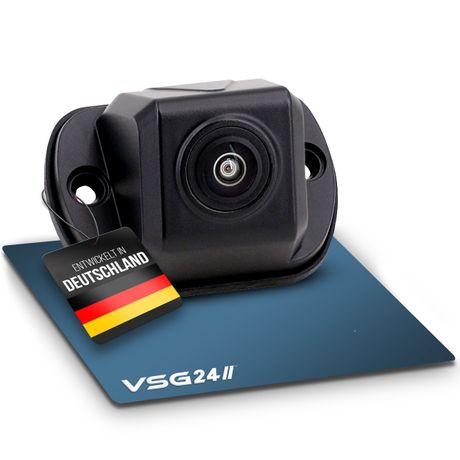 CABLE NAVIGATOR HD Compact aluminium camera with ultra-wide field of view


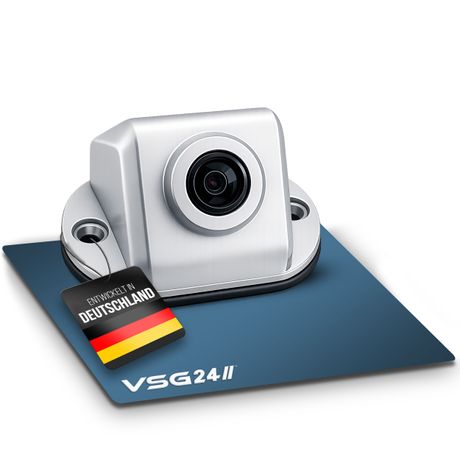 CABLE NAVIGATOR HD Compact aluminium housing with ultra-wide viewing angle
 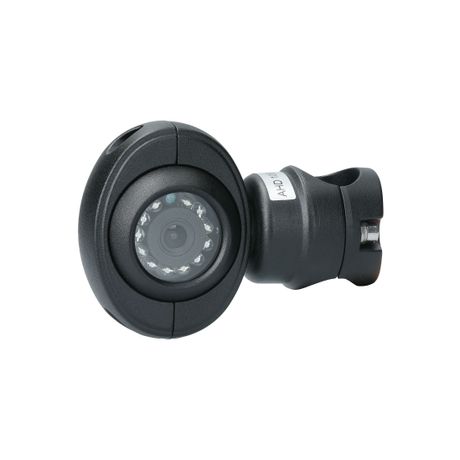 CABLE PROTECT Special tube mount for mirror arms
 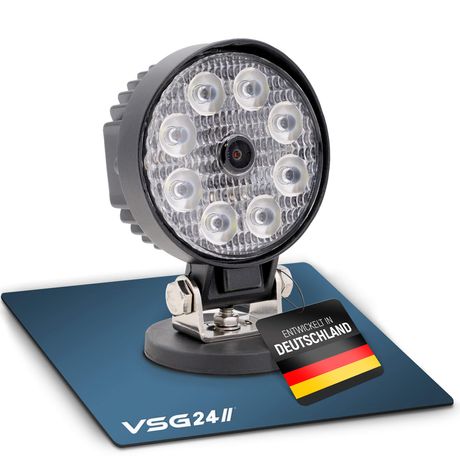 CABLE SPOTLIGHT HD 8 XL LEDs for outstanding night vision


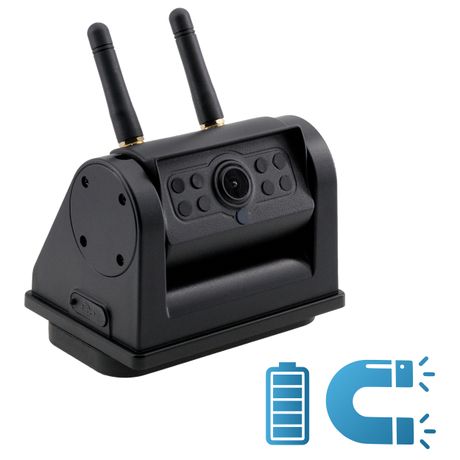 WIRELESS ELEMENT HD Flexible expansion for your ELEMENT wireless system

 WIRELESS ELEMENT WIRED PRO HD Add-on for your ELEMENT wireless set

 WIRELESS HORIZON STELLAR PRO HD Expand your HORIZON STELLAR PRO wireless set
A reversing camera for agricultural machinery as a standalone camera is used when an existing camera needs replacing or an existing system is to be expanded.
Unlike a complete reversing camera system, this category includes only the camera unit – ideal for replacement when the monitor and cabling are already in place.
➡ To view all models: view all reversing cameras
This category is right for you if:
Agricultural machines operate in extreme conditions:
A standard camera often won’t withstand these conditions over time.
Moisture, corrosion or dirty lenses quickly lead to:
Especially during harvest or drilling, a camera failure can be critical to productivity.
In agriculture, the protection rating is a key selection criterion.
IP69K means:
An IP69K reversing camera is specifically suited to agricultural machinery – especially for:
A faulty camera system can mean:
Replacing a single agricultural reversing camera:
In season, every hour counts.
Many agricultural systems can be expanded modularly.
Typical uses for additional cameras:
An extra camera improves precision and efficiency in day-to-day operation.
Many older systems still run at standard resolution.
An upgrade to an AHD 1080P agricultural camera offers:
For accurate machine guidance, image quality is crucial.
When selecting, the following points should be considered:
A camera that isn’t suitable for agricultural use can fail prematurely.
If you’re unsure, we recommend personal advice on system compatibility.
A single camera makes sense if:
A complete reversing camera system makes sense if:
➡ Go to category: reversing camera system for agriculture & farming
Depending on the application, you may need:
➡ Go to category: accessories for reversing cameras
In harsh use, the right accessories can significantly extend service life.
VSG24 stands for:
Systems are assessed in practice for real operating conditions – not just by the spec sheet.
What is an agricultural single camera?
A camera unit for agricultural machinery to replace or expand existing systems.
When is it useful?
In the event of a fault, upgrade or expansion of machine monitoring.
Why IP69K?
Because high-pressure washing and extreme conditions can otherwise lead to premature failure.
Replace or expand your agricultural reversing camera with purpose – for reliable visibility in dust, mud and high-pressure washing.
Choose the right agricultural single camera now or get advice.
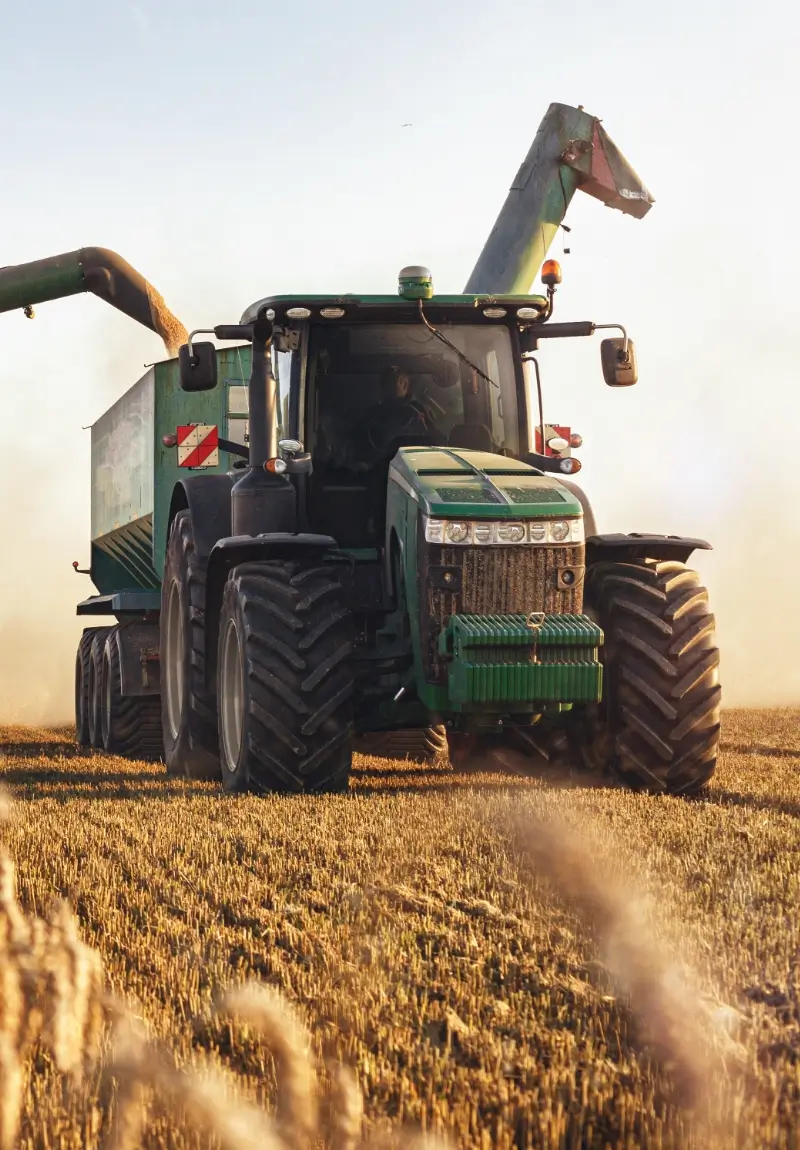
Agricultural vehicles face significantly tougher demands than cars or vans. Dust, mud, high-pressure cleaning, strong vibrations and long operating hours are all part of day-to-day work. Standard reversing cameras are often not built for this.
Agricultural reversing cameras from VSG24 are designed specifically for these conditions: robust housings, vibration-resistant electronics and high protection ratings ensure the camera works reliably even in harsh field use – day after day, season after season.
IP69K is one of the highest protection ratings and is particularly relevant in agriculture. It means the camera is not only dust-tight, but also withstands high-pressure and hot-water cleaning.
That is crucial for tractors, harvesting machines or slurry tankers, as the equipment needs regular cleaning. IP69K cameras from VSG24 are designed to keep working without failures or corrosion.
Yes – and that is a key criterion. Many agricultural applications require continuous operation, for example monitoring mounted implements, load beds or working areas.
VSG24 uses components in its agricultural reversing cameras that are designed for continuous image transmission. This means the cameras are suitable not only for manoeuvring, but also as a permanent visibility and control solution during work.
Both have their place. Wired cameras offer maximum stability and are ideal for permanently installed machines. Wireless solutions, on the other hand, are especially practical for trailer operation, changing implements or temporary use.
VSG24 relies on proven 2,4-GHz wireless technology with long range. For all-metal trailers or large machines, however, choosing the right setup is crucial – a brief consultation is recommended to avoid wireless interference.
Yes. Battery reversing cameras with magnetic mounting are particularly popular in agriculture when maximum flexibility is required. They can be attached quickly to machines, trailers or implements – without fixed wiring.
These solutions are ideal for seasonal use or changing vehicles. VSG24 offers robust battery cameras designed specifically for everyday agricultural work.
In agriculture, it is less about parking and more about overview and control. Wide viewing angles make it possible to keep implements, load beds or hazard areas in view.
Depending on the application – rear-area monitoring, side camera or implement monitoring – an individually matched viewing angle is recommended. This is exactly where VSG24 supports with practical, real-world advice.
Yes, in many cases this is possible. Agricultural vehicles often already have monitors or vehicle-specific displays installed. The key is that the signal type, voltage and connection standard of the reversing camera match the existing system.
VSG24 provides targeted support: alongside compatible single cameras, VSG24 also offers extensive adapter solutions to connect reversing cameras to existing vehicle systems – for example to original monitors on Fendt tractors or other manufacturers.
This allows existing displays to continue being used and expanded sensibly, without having to install additional monitors. It saves costs, preserves the original vehicle look and ensures a technically clean integration. If you are unsure, a brief consultation is recommended to choose the right adapter and camera combination.
It is not only the camera – the monitor must also withstand the operating conditions. In agriculture, splash-protected or even waterproof monitors are often used.
VSG24 offers monitors that are vibration-resistant and work reliably even with dust, moisture and temperature fluctuations – ideal for tractor and machine cabs.
Yes. Many agricultural businesses use multi-camera systems to monitor different working areas simultaneously – for example the rear area, side areas or mounted implements.
The cameras can be connected to multi-channel monitors that switch between images at the touch of a button or automatically. This creates a flexible viewing system for complex work processes.
Agricultural vehicles and applications are extremely diverse. There is rarely a one-size-fits-all solution. That is exactly why expert advice matters.
VSG24 helps you choose the right reversing camera – matched to the machine, type of use and environment. This creates solutions that genuinely work in everyday use and increase safety and efficiency in the long term.