0
0
Your shopping cart is empty.
Total: ${ $store.state.basket.data.itemSum | currency } (Gross) ${ $store.state.basket.data.itemSumNet | currency } (Net)
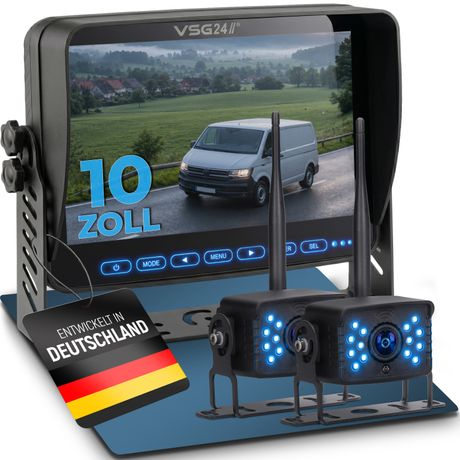 WIRELESS ELEMENT WIRED HD XL | 2CAM Wireless solution for safe manoeuvring





 WIRELESS ELEMENT WIRED HD XL | 4CAM Expert technology for demanding users
 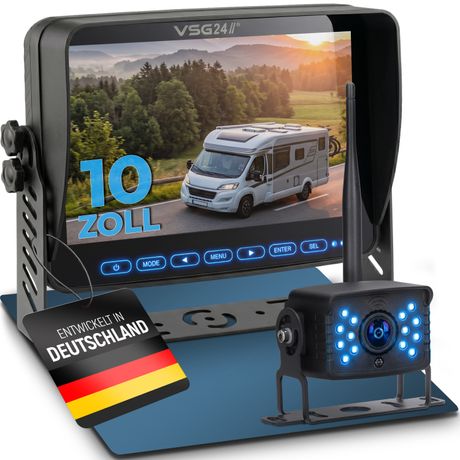 WIRELESS ELEMENT WIRED HD XL Elegant glass display with professional wireless technology

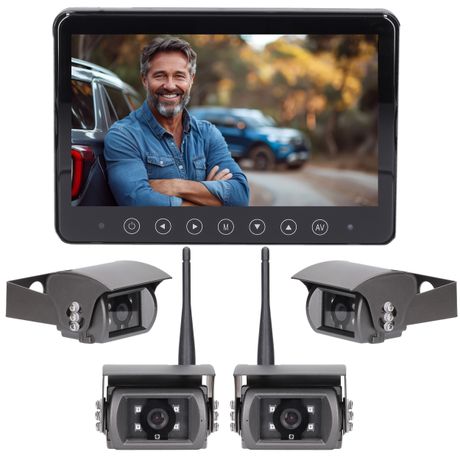 WIRELESS HORIZON STELLAR PRO XL | 4CAM Professional-grade wireless reversing camera



 CABLE BRAKEGUARD STAR Safety for everyday use



 CABLE BRAKEGUARD STRIPE Discreetly integrated, with everything in view
  WIRELESS ELEMENT HD | 2CAM Digital wireless technology for safe parking


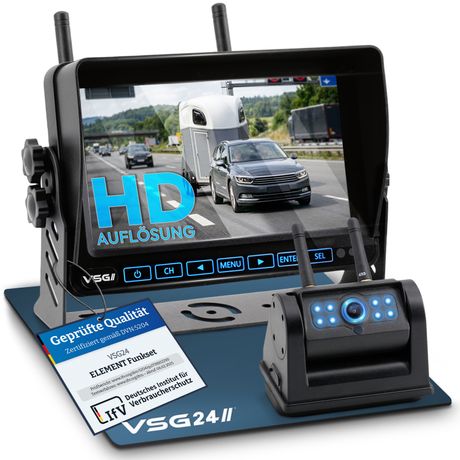 WIRELESS ELEMENT HD Intelligent technology with modular flexibility
 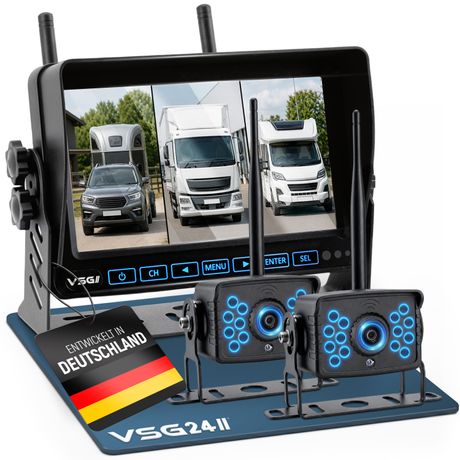 WIRELESS ELEMENT WIRED HD | 2CAM Cable-free installation – reliable performance
 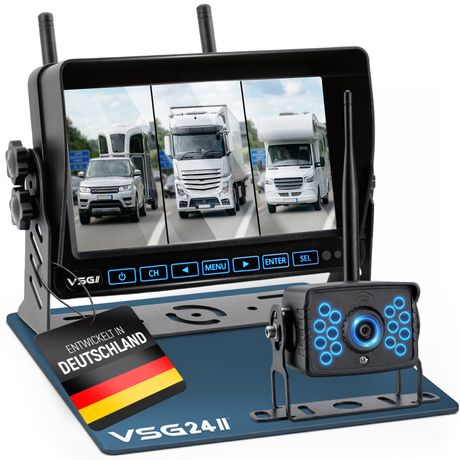 WIRELESS ELEMENT WIRED HD Modern wireless technology with maximum ease of use
  WIRELESS ELEMENT WIRED PRO HD | 2CAM Reliable transmission even for large vehicles
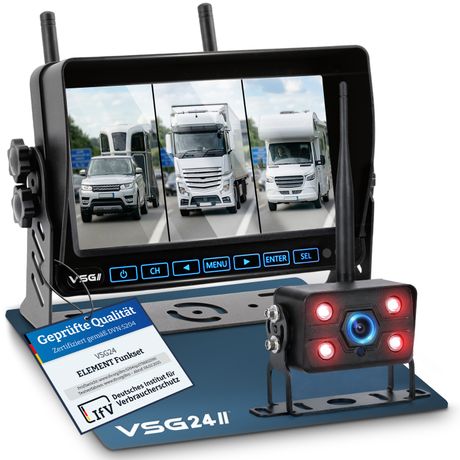 WIRELESS ELEMENT WIRED PRO HD Greater range – flexible antenna – perfect overview
 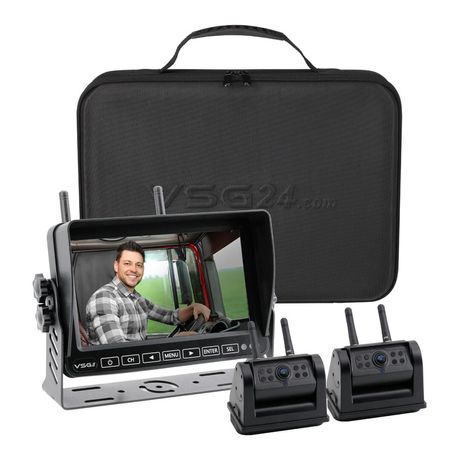 WIRELESS ELEMENT HD | 2CAM Wireless freedom – park with confidence
 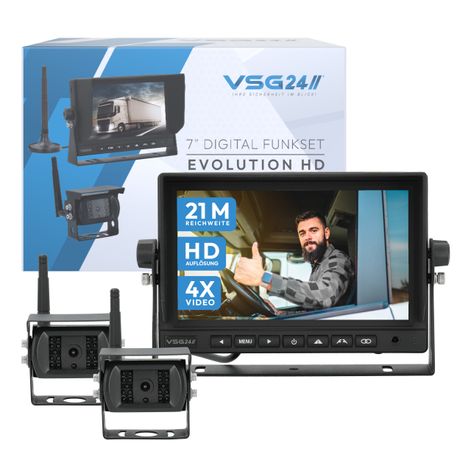 WIRELESS EVOLUTION HD | 2CAM Double safety – for vehicle and trailer
 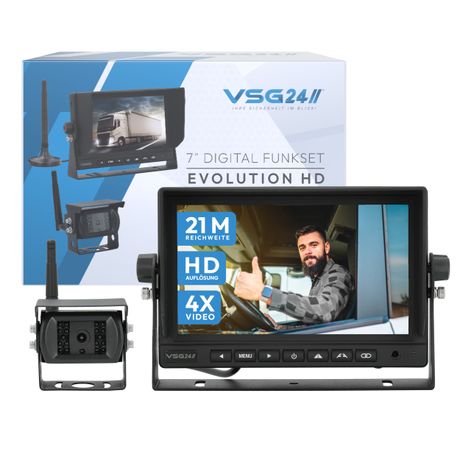 WIRELESS EVOLUTION HD Powerful wireless performance for professionals in HD
  CABLE VISION Industrial-grade aluminium housing


 WIRELESS HORIZON STELLAR PRO | 2CAM Innovation for first-class everyday precision
  WIRELESS HORIZON STELLAR PRO Intelligent technology – maximum performance
 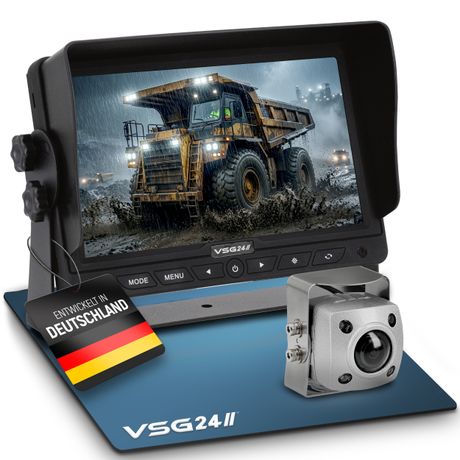 CABLE IP69K EXPERT Certified expert quality for every application
 CABLE IP69K EXPERT NAVIGATOR | 3CAM Premium quality with practical all-round visibility
 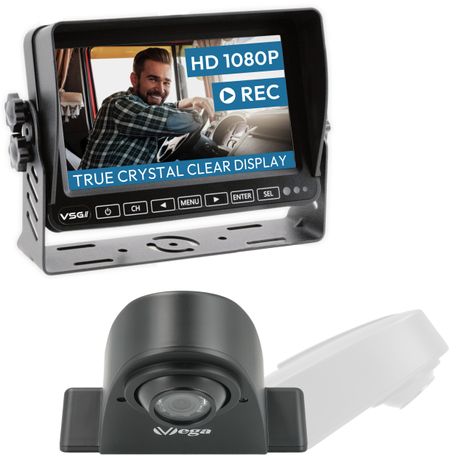 CABLE LOGISTIK HD Reliable safety for demanding logistics operations

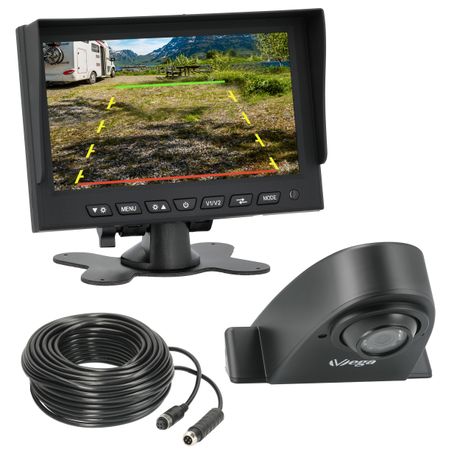 CABLE LOGISTIK Reliable technology for every working day
 WIRELESS PREMIUM PRO HD Safety, comfort and cutting-edge technology
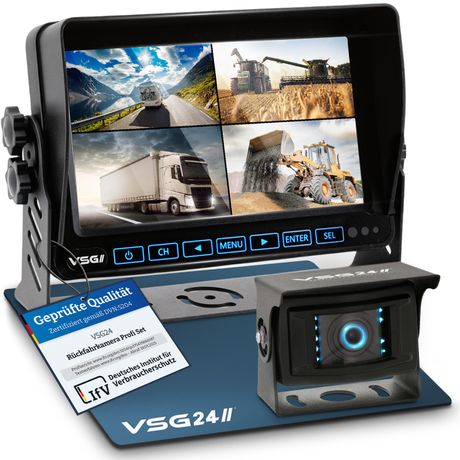 CABLE PROFI HD Professional rear visibility for maximum safety
A reversing camera for vans is a camera system tailored specifically to commercially used panel vans, providing safe rear-area monitoring when manoeuvring, docking at loading bays and driving in dense city traffic.
Vans such as the Mercedes Sprinter, Fiat Ducato, VW Crafter or similar models have restricted rear visibility by design. A professional reversing camera for vans increases safety, reduces manoeuvring damage and improves efficiency in daily work.
For commercially used vehicles, reversing cameras are among the safety-relevant driver assistance systems and actively help prevent accidents.
Vans are usually used every day:
Especially with closed panel vans without a rear window, direct rear visibility is severely limited. A van reversing camera provides clear visibility when manoeuvring and protects people, vehicles and loads.
Many businesses search specifically for:
When retrofitting, what matters is:
The right reversing system depends on how and where it is used – not only on the vehicle model.
A reversing camera for vans is particularly helpful for:
Especially for delivery services and trades, reversing systems significantly reduce small but costly parking and manoeuvring damage.
1-camera system (standard solution)
Ideal for trades, service vehicles and smaller fleets. A 7 or 9 inch monitor with an AHD 1080P reversing camera for precise manoeuvring.
2-camera system
An additional side camera to reduce blind spots. Useful for frequent city driving or tight construction sites.
4-camera system
For maximum visibility around the vehicle. Recommended for larger vans or higher safety requirements.
Wired reversing systems provide maximum signal stability – especially for daily commercial use. An overview can be found under wired reversing systems.
Wireless reversing cameras can be a sensible retrofit option when fast installation without extensive cabling is preferred.
Unlike truck systems, vans prioritise flexibility and compact integration. For 24V heavy-duty operation, specialist solutions from reversing systems for trucks are more suitable.
A van reversing system is recommended if:
For leisure vehicles with a camping focus, the category reversing systems for motorhomes is more suitable.
These van reversing systems are not specifically designed for:
In these cases, we recommend the categories reversing systems for trucks, reversing systems for agriculture or reversing systems for cars.
If your van is used commercially every day → wired system with a 7–9 inch monitor.
If multiple drivers use the vehicle → larger monitor option for better visibility.
If you regularly drive in tight city centres → additional side camera.
If trailers are used → system with expandable camera input.
What is a van reversing camera?
A camera system for safe rear-area monitoring on commercially used panel vans.
Who is it suitable for?
Trades, delivery services, service vehicles and fleets.
When is it worthwhile?
For daily manoeuvring at loading bays, in tight city centres or with changing drivers.
What should you look for?
Robust construction, stable signal transmission, sufficient monitor size and expandability.
A reversing camera for vans reduces manoeuvring damage, increases safety around the vehicle and saves costs in the long term through fewer repairs and less downtime.
Especially in commercial use, a reliable solution pays off quickly. What matters is that the reversing system matches the vehicle type, daily use and safety requirements.
The full overview of all complete solutions can be found in the main category Rear View Systems.
For an individual recommendation, the contact and advice page can help.
Discover tested reversing systems for vans and find the solution that makes your working day safer, more efficient and more cost-effective.
Vans are often used in tight urban environments: courtyards, construction sites, city centres and delivery zones. Rear visibility is usually severely restricted – especially in closed panel vans. Reversing systems make the blind area visible and significantly reduce the risk of parking damage, manoeuvring incidents and personal injury.
In everyday work, a reversing system saves time and stress. Instead of getting out repeatedly or relying on a banksman, drivers can manoeuvre safely and independently. This increases efficiency and protects the vehicle, load and surroundings.
Typical damage to vans occurs when approaching loading bays, reversing on construction sites or parking in narrow streets. Bollards, walls, other vehicles or even people are often noticed too late.
A reversing system highlights these hazards early. This not only reduces repair costs, but also downtime and insurance effort. For commercial users, a reversing system often pays for itself through a single avoided incident.
Both solutions have their strengths. Wireless reversing systems are particularly popular for retrofits because they can be installed quickly without long cable runs. Modern 2.4 GHz wireless technology from VSG24 works reliably in most vans.
Wired systems provide maximum stability and are especially suitable for continuous operation or multi-camera systems. Many van users choose hybrid solutions, where a wired monitor supports both wired and wireless cameras – offering maximum flexibility.
Yes. Side cameras provide a significant safety advantage for vans – particularly when turning or manoeuvring in confined areas. They reduce blind spots and help detect pedestrians, cyclists or obstacles at an early stage.
Combined with a reversing camera, this creates a much clearer overview of the vehicle’s surroundings. This is especially helpful for wider vehicles or high-bodied panel vans.
Yes. Many reversing systems for vans are designed for continuous operation and can function as an additional digital rear-view mirror while driving. This is particularly practical for vehicles without a rear window.
A permanently active monitor increases safety in moving traffic and when changing lanes. A high-quality system with stable image transmission is essential – and that is exactly what VSG24 focuses on.
Distance guidelines on the monitor help drivers assess space more accurately. With longer vans, judging the rear overhang can be difficult.
The guidelines show how close the vehicle is to obstacles and support precise manoeuvring. Many systems allow the lines to be adjusted to match the vehicle size and camera position, further increasing accuracy.
Activation usually occurs automatically via the reversing light when reverse gear is engaged. Additional trigger solutions are also possible – for example via switches or indicators to activate side cameras when turning.
This intelligent control ensures the correct camera view is displayed at the right time, without distracting the driver.
Yes. Reversing cameras for vans must be resistant to rain, dirt and vibration. High-quality systems feature high protection ratings and corrosion-resistant materials.
VSG24 deliberately uses durable technology designed to function reliably even with daily commercial use – regardless of weather or operating environment.
Yes. Many systems are modular in design. Additional cameras, larger monitors or longer cables can be added without difficulty. Particularly practical are systems where wired monitors also support wireless cameras.
This keeps the reversing system flexible, even if operational requirements change.
Vans differ significantly in size, body style and application. A system suitable for a small panel van is not automatically ideal for a long wheelbase or specialist body conversion.
VSG24 provides targeted advice based on vehicle type, use case, number of cameras and expandability. The result is a solution that genuinely supports daily work – rather than one that only technically “fits”.