0
0
Your shopping cart is empty.
Total: ${ $store.state.basket.data.itemSum | currency } (Gross) ${ $store.state.basket.data.itemSumNet | currency } (Net)
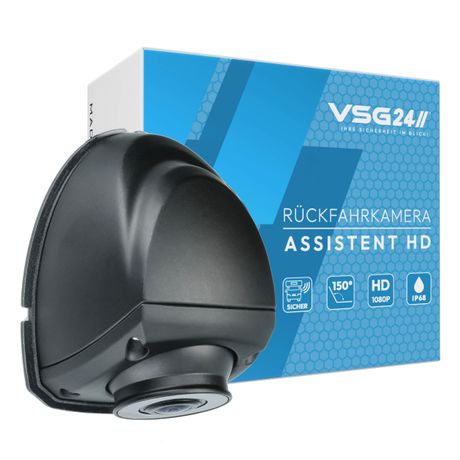 CABLE ASSISTENT HD Side view camera for enhanced road safety





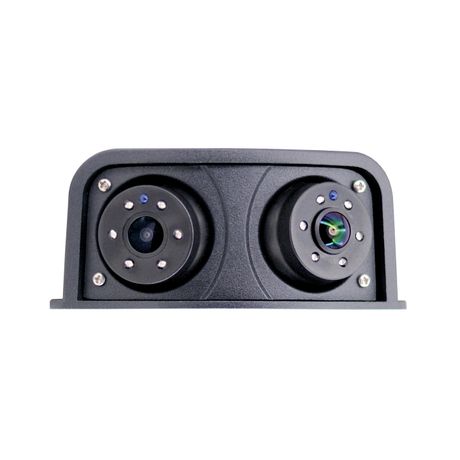 CABLE DUAL HD Clear visibility in both near and даль range


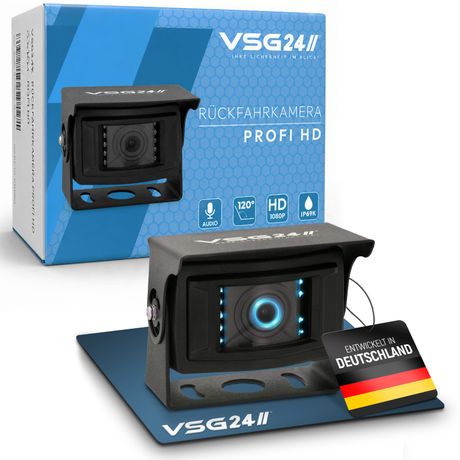 CABLE PROFI HD Extremely rugged – fully heated – real-time audio






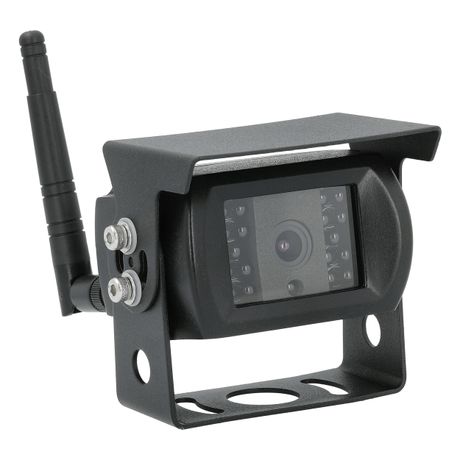 WIRELESS EVOLUTION HD Expand your EVOLUTION HD system


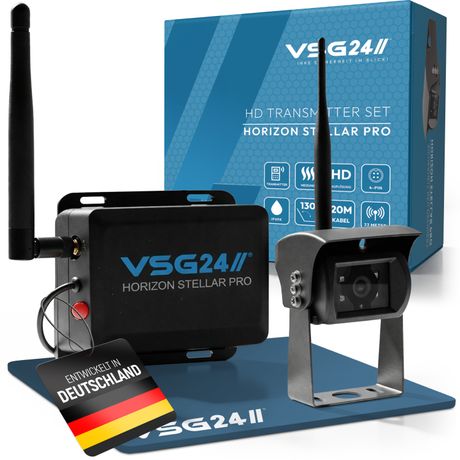 WIRELESS HORIZON STELLAR PRO Expand your wired HD system


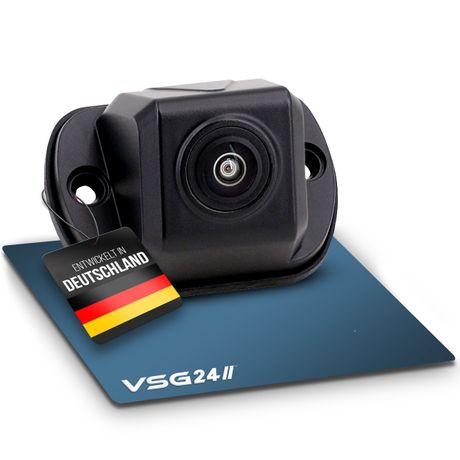 CABLE NAVIGATOR HD Compact aluminium camera with ultra-wide field of view



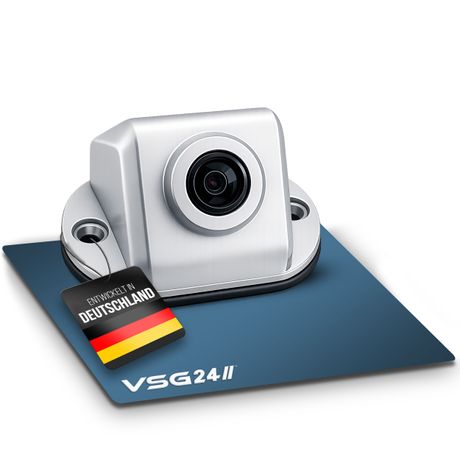 CABLE NAVIGATOR HD Compact aluminium housing with ultra-wide viewing angle
 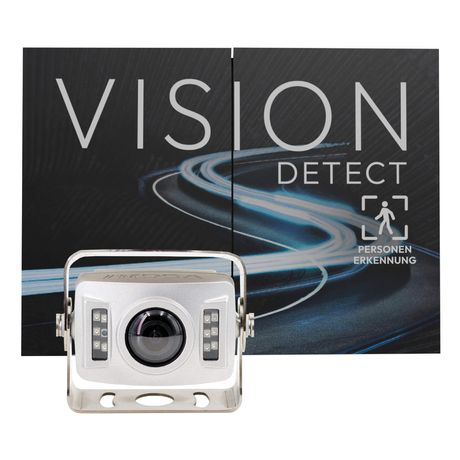 CABLE DETECT VISION Advanced technology with intelligent person detection

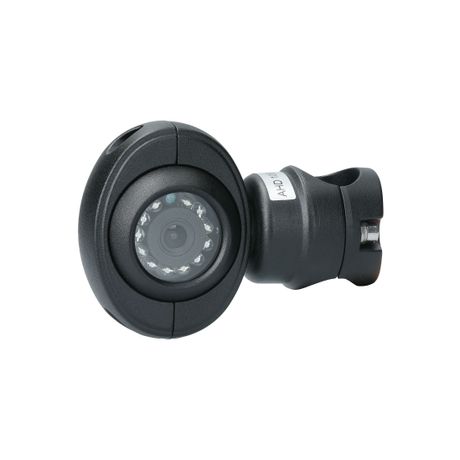 CABLE PROTECT Special tube mount for mirror arms
 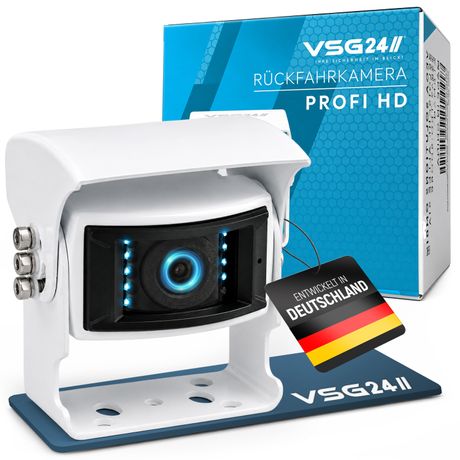 CABLE PROFI HD Shock-resistant – fully heated – real-time audio
 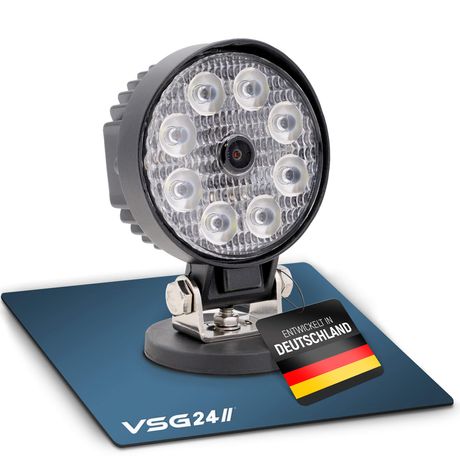 CABLE SPOTLIGHT HD 8 XL LEDs for outstanding night vision


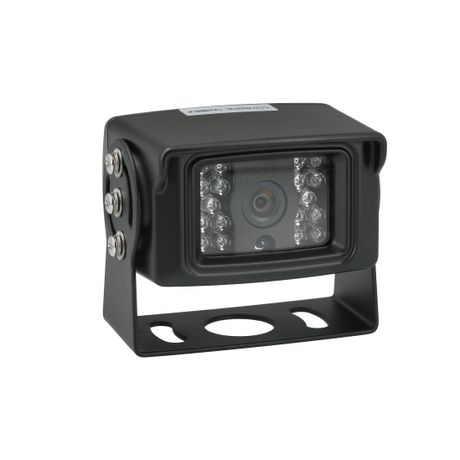 CABLE TRANSIT Extremely robust – built for heavy-duty use
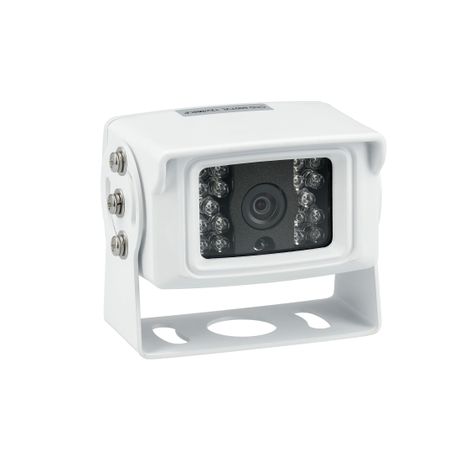 CABLE TRANSIT Engineered for extreme demands

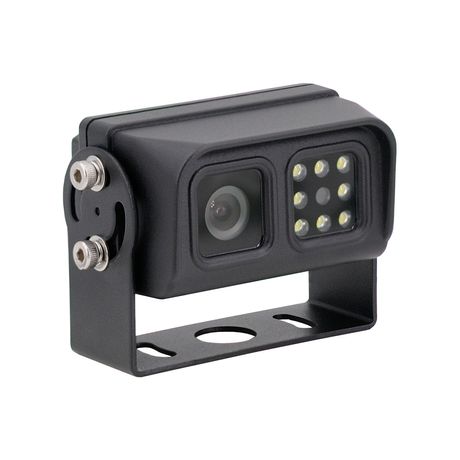 CABLE VISION AI PRO Intelligent AI safety with person detection
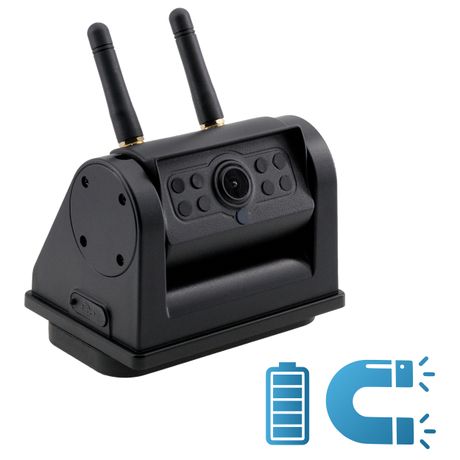 WIRELESS ELEMENT HD Flexible expansion for your ELEMENT wireless system
 WIRELESS ELEMENT WIRED PRO HD Add-on for your ELEMENT wireless set

 WIRELESS HORIZON STELLAR PRO HD Expand your HORIZON STELLAR PRO wireless set
A truck reversing camera as a single camera is used when an existing camera needs to be replaced, modernised, or an existing multi-camera system needs to be expanded.
Unlike a complete reversing camera kit for trucks, this category includes the camera unit only – ideal for a targeted replacement on a 12–30V electrical system.
➡ View all models: see all reversing cameras
This category is right for you if:
In commercial truck operations, every minute counts.
Typical scenario:
A vehicle drives dock to dock every day.
The camera no longer delivers a clear image.
The driver has to rely more heavily on a banksman.
The risk of manoeuvring damage increases.
A single docking impact can quickly cost several thousand euros – plus:
A targeted replacement of a truck reversing camera is often the most economically sensible solution.
If the monitor and cabling are still working, a complete system replacement is usually unnecessary.
Replacing a single camera:
Especially in fleet use, a functioning camera often pays for itself through just one avoided damage incident.
Truck cameras operate under extreme conditions:
Over time, the following can occur:
In many cases, only the camera is affected – not the entire system.
Modern truck systems can support multiple cameras, including:
An additional truck reversing camera increases visibility in safety-critical areas – especially in urban distribution traffic.
Many older truck systems still operate with the CVBS standard.
An upgrade to AHD 1080P offers:
Especially with changing drivers or tight depot yards, a clear HD display significantly improves safety.
When choosing a truck reversing camera, the following points should be considered:
An incompatible camera can lead to signal issues or image faults.
If you are unsure, personal advice on system compatibility is recommended.
A single camera makes sense if:
A complete system makes sense if:
➡ Category: reversing camera kit for trucks
For replacement or expansion, the following may be required:
➡ Category: accessories for reversing cameras
Modular solutions enable planned maintenance without a complete replacement.
VSG24 stands for:
Especially in fleet operations, technical reliability is crucial for efficiency and safety.
What is a truck single camera?
A camera unit for replacing or expanding an existing truck reversing system.
Who is it suitable for?
For haulage companies, fleet operators, workshops and commercial drivers with an existing system.
When does it make sense?
In case of a defect, modernisation, or expansion.
Why replace modularly?
Because existing infrastructure remains in place and downtime is reduced.
Replace or expand your truck reversing camera in a targeted way – instead of unnecessarily replacing the entire system.
Choose the right truck single camera now, or get advice.
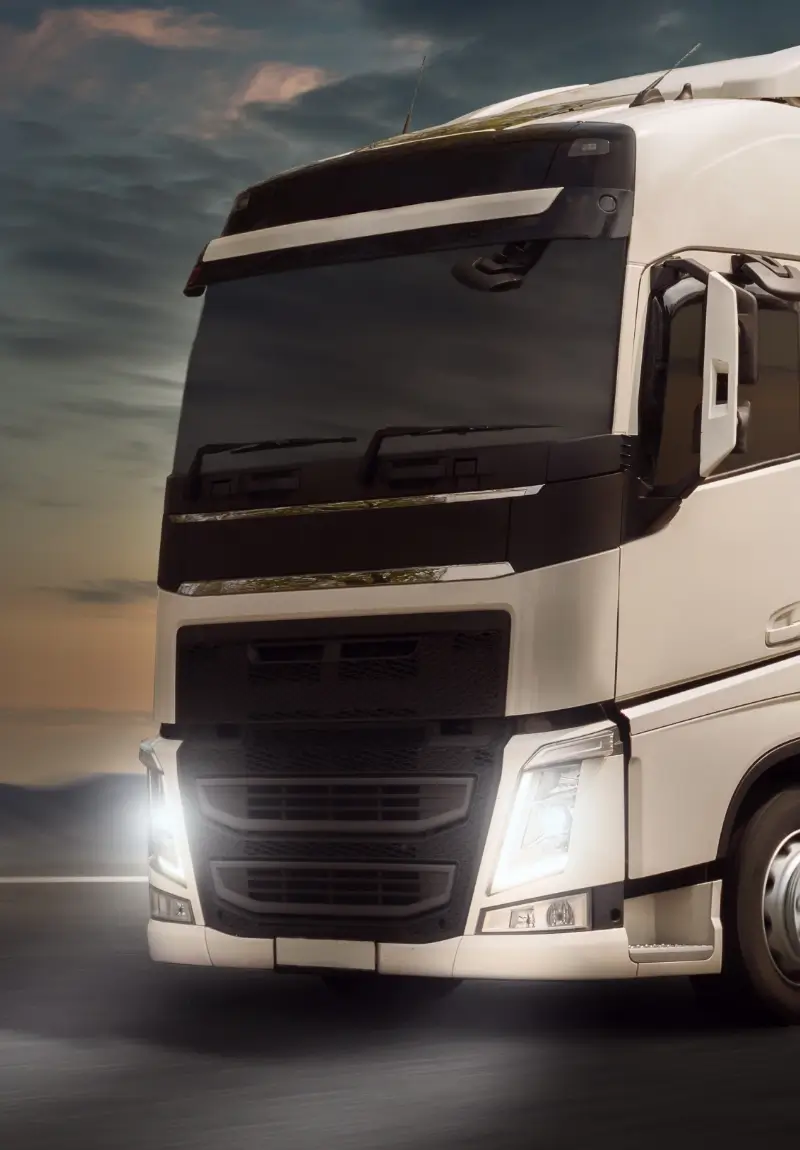
HGVs differ fundamentally from cars: long vehicle lengths, high body heights, substantial blind spots and often limited rearward visibility. This creates significant risks when manoeuvring at loading bays, in depots or in urban traffic.
HGV reversing cameras are safety-relevant driver-assistance systems developed for exactly these demands. They actively support drivers, reduce accident risk and provide better control in everyday operations. Single cameras are particularly suitable for replacing or expanding existing systems without having to rebuild complete installations.
HGV cameras run in continuous operation and are constantly exposed to wind, rain, dirt, vibration and temperature fluctuations. In addition, there is frequent pressure washing and high mechanical strain.
That is why HGV reversing cameras must be extremely robust. VSG24 focuses on cameras with high protection ratings (e.g. IP69K), vibration-resistant electronics and durable materials – designed for professional 24/7 use.
Many HGV drivers use reversing cameras not only when selecting reverse gear, but as permanent rear-area or surroundings monitoring. This increases safety in moving traffic, when changing lanes or on tight depots.
Not every camera is designed for this. VSG24 specifically offers reversing cameras that operate reliably even over many hours – without overheating or image dropouts. That is a decisive difference in professional use.
Blind spots are one of the biggest safety challenges in HGV traffic, especially in urban environments. Pedestrians, cyclists or other vehicles can be easily missed.
A high-quality reversing camera helps make the area behind the vehicle visible. Many fleets deliberately add additional single cameras to existing systems to cover these critical zones better and reduce accident risk sustainably.
In the HGV sector, wired reversing cameras are particularly common because they provide maximum signal stability in continuous operation. Wireless solutions are mainly used for trailers, swap bodies or temporary applications.
VSG24 also uses proven 2.4 GHz technology for wireless solutions. However, the specific use case is always decisive – a brief consultation is recommended to choose the right solution.
In everyday HGV use, what matters is not “marketing HD”, but clear, delay-free images – even in darkness, rain or dirt. Drivers must be able to judge distances and movements reliably, often under time pressure.
Upgrading to a higher-quality single camera is often the simplest way to make an existing system noticeably safer and more comfortable to use.
In many cases, yes. What matters is voltage (typically 24 V), the signal standard and the type of connection. Two cameras that look similar can still be technically incompatible.
VSG24 provides targeted support and, where required, extensive adapter solutions so existing monitors and displays can continue to be used. This reduces investment costs and significantly simplifies retrofitting.
A single manoeuvring incident can quickly cost several thousand euros – plus downtime, repair organisation and potential insurance implications. Reversing cameras reduce these risks significantly.
Especially in fleet operations, a high-quality reversing camera often pays for itself simply by preventing one damage incident. That is why they are not only a safety factor, but also an economic one.
HGVs vary widely by body type, application and usage: long-haul, urban distribution, construction sites or specialist vehicles. There is no one-size-fits-all solution.
VSG24 advises in a practical and straightforward way, with a focus on safety, cost-effectiveness and long-term suitability. This creates solutions that genuinely help drivers day to day and reduce fleet burden over the long term.